
Explore Sea Moss
See how this form is used, what to look for on the label, and where to find it.
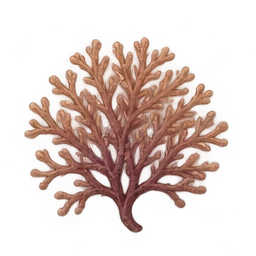
Sea moss is an edible red seaweed used in foods and gels. It can contribute minerals, including iodine, but amounts vary from product to product. Sources: U.S. DoD: sea moss · NIH: sea moss
See how this ingredient works with other supplements
Product-label examples help you compare available strengths. The appropriate daily amount depends on your needs; formulations and availability vary by country.
Sea Moss — Preparation Overview
Supplement preparation
Botanical illustration
HerbCommon Uses
Food and nutrients: A red seaweed used in foods and gels; its mineral and iodine content varies considerably.
Wellness interest: Promoted for digestion, immunity and general health, but human trials have not established these supplement benefits.
Evidence distinction: Laboratory findings on seaweed compounds cannot demonstrate that a sea-moss capsule or gel treats disease.
Practical role: Assess the measured nutrient content rather than assuming it is a balanced mineral supplement; iodine and contaminants need particular attention.
Sources: U.S. DoD: sea moss · NIH: sea moss
Common OTC Strengths
500 mg sea moss powder in a multicomponent label example.
Label sources: 1
Look for the species name, measured iodine amount and heavy-metal testing. When comparing extracts, read the actual extract weight. A raw-herb equivalent describes the starting material.
U.S. adult iodine limit: 1,100 mcg/day from all sources. This is not a sea-moss dose; iodine content varies.
* See additional info below: Sea Moss — Preparation Overview safety details. Upper limits are safety ceilings, not intake targets. Age and health conditions affect suitability.
How and Safety
Check measured iodine and credible contaminant testing for the batch before considering a serving. [5]
Check the combined iodine from sea moss, iodine and kelp products; seek guidance if you have thyroid disease. [3]
Trusted Sources
Simple tests to be certain of your individual needs.
Coming soon
Additional Ingredient Information: Safety & Toxicity
Common Uses & Evidence
Composition research helps identify what a seaweed contains; it does not by itself establish clinical benefits from a commercial sea-moss gel or capsule. [1]
Taking supplements together
References
Form Type
Supplement preparation
Bioavailability & Absorption
A comparative absorption score is not assigned to this broad preparation overview.
Interactions
If a sea-moss preparation supplies substantial iodine, it can be relevant to antithyroid treatment such as methimazole: high iodine intake may further suppress thyroid hormone production. Review the measured iodine amount with your prescriber. [2]
Other supplements to check
Safety & Toxicity
Check the product’s iodine content: excess iodine can disturb thyroid function. The U.S. adult upper limit is 1,100 mcg/day of iodine from all sources, not a recommended sea-moss dose. People with thyroid disease need individual advice. [2]
Elemental Content
Iodine content cannot be reliably inferred from the name “sea moss” or from a scoop’s weight. Seaweed iodine content varies widely. Use product-specific testing or manufacturer data; a generic seaweed value is not an assay of this preparation. [3]
How and Safety — Details & Sources
The mechanism describes how an ingredient could work. Human studies can tell us which benefits people experience with a particular preparation.
Read the Safety & Toxicity and Interactions sections, where available, for further precautions. The preparation and other ingredients matter.
How and Safety — Sources
Sea Moss — common questions
What is Sea Moss commonly used for?
Food and nutrients: A red seaweed used in foods and gels; its mineral and iodine content varies considerably.
Wellness interest: Promoted for digestion, immunity and general health, but human trials have not established these supplement benefits.
Evidence distinction: Laboratory findings on seaweed compounds cannot demonstrate that a sea-moss capsule or gel treats disease.
Practical role: Assess the measured nutrient content rather than assuming it is a balanced mineral supplement; iodine and contaminants need particular attention.
Sources: U.S. DoD: sea moss · NIH: sea moss
How well is Sea Moss absorbed?
A comparative absorption score is not assigned to this broad preparation overview.
What should I look for on the label for Sea Moss?
Look for the species name, measured iodine amount and heavy-metal testing. When comparing extracts, read the actual extract weight. A raw-herb equivalent describes the starting material.
Which medicines or supplements can interact with Sea Moss?
If a sea-moss preparation supplies substantial iodine, it can be relevant to antithyroid treatment such as methimazole: high iodine intake may further suppress thyroid hormone production. Review the measured iodine amount with your prescriber. [2]
Who should take extra care with Sea Moss?
Check the product’s iodine content: excess iodine can disturb thyroid function. The U.S. adult upper limit is 1,100 mcg/day of iodine from all sources, not a recommended sea-moss dose. People with thyroid disease need individual advice. [2]