
Immune System Health
Support normal immune function through adequate nutrition, sleep and appropriate preventive care. Explore vitamins, minerals and selected supplements, with clear distinctions between correcting a deficiency and reducing illness symptoms.

Aim for normal immune function rather than an indiscriminate “boost.” These options do not replace vaccination, infection treatment or medical assessment. Autoimmune disease, transplant medicines, severe immune suppression, pregnancy and breastfeeding need individualized advice.
Timing notes: Vitamin D is commonly taken with a meal; zinc may be easier on the stomach with food. Follow strain- or preparation-specific directions for probiotics and botanicals. Routine nutrient supplementation and short-term cold-treatment protocols are different uses.
Explore individual supplements
Browse the options below, or filter by supplement type.
Start with the options most relevant to the goal, then consider nutritional gaps and optional additions. Order is an editorial guide, not a proven head-to-head ranking.
Optional elderberry for short-term symptom support
Elderberry — Prepared Fruit Product
Botanical preparation
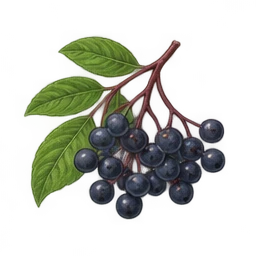
Botanical illustration
HerbCommon Uses ForImmune System Health
Optional elderberry for short-term symptom support
Evidence: Small trials have mixed results for respiratory symptoms. Evidence does not establish dependable cold prevention or treatment of serious infection. Evidence source
For this goal: Use a properly prepared product; raw or unripe berries and other plant parts can be toxic.
How and Safety
Elderberry contains anthocyanins and other compounds studied for effects on inflammatory and antiviral pathways. Most mechanistic findings are laboratory-based, and they do not establish prevention or treatment of viral infections in people. [1]
Use a properly processed commercial fruit preparation according to its instructions. [3]
Do not consume raw or unripe berries, leaves or stems, or rely on elderberry for infection treatment. [2]
Use properly prepared fruit products. Raw or unripe berries, leaves and stems can be toxic. [2]
Additional Ingredient Information: Safety & Toxicity
Use-specific Evidence & Context
Optional elderberry for short-term symptom support
Evidence: Small trials have mixed results for respiratory symptoms. Evidence does not establish dependable cold prevention or treatment of serious infection. Evidence source
For this goal: Use a properly prepared product; raw or unripe berries and other plant parts can be toxic.
Common Uses & Evidence
Small studies suggest possible symptom relief; the evidence is preliminary. It is not an established prevention or treatment for COVID-19. [1]
Taking supplements together
References
Form Type
Botanical preparation
Bioavailability & Absorption
A comparative dot score is not assigned to this broad preparation category.
Interactions
Review medicines and the complete product formulation. [1]
Safety & Toxicity
Raw or unripe berries, leaves and stems contain toxic compounds. Use a properly prepared product; pregnancy and breastfeeding safety is uncertain. [1]
How and Safety — Details & Sources
The mechanism describes how an ingredient could work. Human studies can tell us which benefits people experience with a particular preparation.
Read the Safety & Toxicity and Interactions sections, where available, for further precautions. The preparation and other ingredients matter.
How and Safety — Sources
Further Form Considerations
Use properly prepared fruit products. Raw or unripe berries, leaves and stems can be toxic.
Sources: 1
Optional echinacea with preparation-specific evidence
Echinacea — Botanical Preparation
Botanical preparation

Botanical illustration
HerbCommon Uses ForImmune System Health
Optional echinacea with preparation-specific evidence
Evidence: Studies vary considerably by species, extract and regimen. Possible modest cold-related effects are uncertain and cannot be assumed for every product. Evidence source
For this goal: Review allergies and immunosuppressive medicines; avoid self-directed use during pregnancy.
How and Safety
Echinacea contains several compounds that alter immune-cell signaling in laboratory studies. Their actions vary by species and plant part, so “immune support” does not mean a predictable benefit from every extract. [1]
Follow directions for the named species, plant part and preparation; check use with immune-suppressing treatment. [3]
Check the source for known allergens and choose the specific echinacea preparation discussed in the evidence. [2]
Allergic reactions can be serious. Review use with immune-suppressing medicines and related-plant allergies. [2]
Additional Ingredient Information: Safety & Toxicity
Use-specific Evidence & Context
Optional echinacea with preparation-specific evidence
Evidence: Studies vary considerably by species, extract and regimen. Possible modest cold-related effects are uncertain and cannot be assumed for every product. Evidence source
For this goal: Review allergies and immunosuppressive medicines; avoid self-directed use during pregnancy.
Common Uses & Evidence
Echinacea may slightly reduce the chance of catching a cold; effects on cold duration remain uncertain. Species and plant parts differ. [1]
Taking supplements together
References
Form Type
Botanical preparation
Bioavailability & Absorption
A comparative dot score is not assigned to this broad preparation category.
Interactions
Review medicines, particularly immune-suppressing treatments, before use. [1]
Safety & Toxicity
Digestive symptoms and allergic reactions can occur. Allergy may be serious, especially in people sensitive to related plants. [1]
How and Safety — Details & Sources
The mechanism describes how an ingredient could work. Human studies can tell us which benefits people experience with a particular preparation.
Read the Safety & Toxicity and Interactions sections, where available, for further precautions. The preparation and other ingredients matter.
How and Safety — Sources
Further Form Considerations
Allergic reactions can be serious. Review use with immune-suppressing medicines and related-plant allergies.
Sources: 1