
Explore Ginkgo Biloba
See how this form is used, what to look for on the label, and where to find it.
Ginkgo leaf extracts have been studied for memory and everyday functioning in people with dementia. The findings apply to particular standardized extracts and do not establish prevention of dementia. Sources: NIH
See how this ingredient works with other supplements
Product-label examples help you compare available strengths. The appropriate daily amount depends on your needs; formulations and availability vary by country.
Ginkgo — Ginkgo leaf extract
Botanical preparation
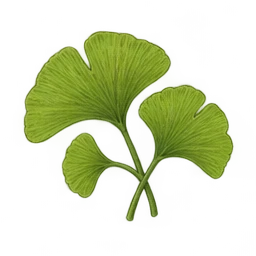
Botanical illustration
HerbCommon Uses
Memory and daily function: Certain ginkgo leaf extracts may modestly improve symptoms in some people with dementia; findings are inconsistent.
Vertigo and other symptoms: Small studies have explored vertigo and anxiety, but evidence remains inconclusive.
Healthy-adult cognition: Commonly marketed for focus and memory; clinical results in healthy adults remain inconclusive.
Important distinction: Large trials have not shown prevention of dementia. Standardized leaf-extract research does not apply to ginkgo seeds or every retail product.
Sources: NIH
Common OTC Strengths
60 mg standardized ginkgo extract in a checked product.
Label sources: 1
Look for ginkgo leaf extract. To compare extracts, look for amounts or percentages for the same two groups of compounds: flavone glycosides and terpene lactones. The weight of raw leaves is a different measure.
No general maximum is stated for this preparation. Check its specific safety guidance below.
* See additional info below: Ginkgo — Ginkgo leaf extract safety details. Upper limits are safety ceilings, not intake targets. Age and health conditions affect suitability.
How and Safety
Ginkgo leaf extracts contain flavonoids and terpenes studied for effects on oxidative stress and nerve-cell signaling. Human studies of standardized extracts have focused on symptoms in people who already have cognitive impairment. Large prevention trials found similar dementia rates with ginkgo and placebo. [1]
Choose the specified leaf extract and follow its directions; seed and crude preparations are different products. [3]
Do not eat ginkgo seeds as a supplement or combine extracts with blood thinners without review. [2]
Review blood thinners because bleeding risk may increase. Use a defined leaf extract; seeds and crude preparations can be toxic. [2]
Trusted Sources
Simple tests to be certain of your individual needs.
Coming soon
Additional Ingredient Information: Safety & Toxicity
Common Uses & Evidence
Some studies of standardized leaf extracts report modest symptom improvement in people with dementia. In large prevention studies, dementia rates were similar with ginkgo and placebo. [1]
Taking supplements together
References
Form Type
Botanical preparation
Bioavailability & Absorption
A comparative dot score is not assigned to this broad preparation category.
Interactions
May increase bleeding risk with anticoagulants and interact with other medicines. [1]
Safety & Toxicity
Seeds and crude plant material can be toxic. Leaf extract can cause digestive upset, dizziness or headache; pregnancy requires avoidance or medical guidance. [1]
How and Safety — Details & Sources
The mechanism describes how an ingredient could work. Human studies can tell us which benefits people experience with a particular preparation.
Read the Safety & Toxicity and Interactions sections, where available, for further precautions. The preparation and other ingredients matter.
How and Safety — Sources
Further Form Considerations
Review blood thinners because bleeding risk may increase. Use a defined leaf extract; seeds and crude preparations can be toxic.
Sources: 1
Ginkgo Biloba — common questions
What is Ginkgo Biloba commonly used for?
Memory and daily function: Certain ginkgo leaf extracts may modestly improve symptoms in some people with dementia; findings are inconsistent.
Vertigo and other symptoms: Small studies have explored vertigo and anxiety, but evidence remains inconclusive.
Healthy-adult cognition: Commonly marketed for focus and memory; clinical results in healthy adults remain inconclusive.
Important distinction: Large trials have not shown prevention of dementia. Standardized leaf-extract research does not apply to ginkgo seeds or every retail product.
Sources: NIH
How well is Ginkgo Biloba absorbed?
A comparative dot score is not assigned to this broad preparation category.
What should I look for on the label for Ginkgo Biloba?
Look for ginkgo leaf extract. To compare extracts, look for amounts or percentages for the same two groups of compounds: flavone glycosides and terpene lactones. The weight of raw leaves is a different measure.
Which medicines or supplements can interact with Ginkgo Biloba?
May increase bleeding risk with anticoagulants and interact with other medicines. [1]
Who should take extra care with Ginkgo Biloba?
Seeds and crude plant material can be toxic. Leaf extract can cause digestive upset, dizziness or headache; pregnancy requires avoidance or medical guidance. [1]