
Explore Berberine
See how this form is used, what to look for on the label, and where to find it.
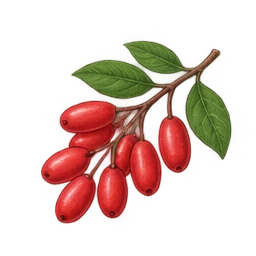
Berberine is studied for blood sugar and cholesterol, especially in adults with type 2 diabetes. Some trials report improvements in these measures. Medicines and the exact formulation matter when considering a product. Sources: NIH evidence review · NIH
See how this ingredient works with other supplements
Product-label examples help you compare available strengths. The appropriate daily amount depends on your needs; formulations and availability vary by country.
Berberine — Berberine preparation
Botanical preparation
Botanical illustration
HerbCommon Uses
Blood sugar support: Trials suggest berberine may improve glucose control and insulin resistance in adults with type 2 diabetes when used alongside appropriate care.
Cholesterol and triglycerides: Some studies report improvements in blood fats; results and study quality vary.
Weight-management interest: Early findings are promising, but evidence does not establish it as a reliable weight-loss treatment.
Preparation matters: Findings for purified berberine should not be assumed for every berberine-containing plant or combination.
Sources: NIH evidence review · NIH
Common OTC Strengths
500 mg berberine HCl in a common product example.
Label sources: 1
Look for berberine hydrochloride (HCl) and its amount per serving. Whole-herb extracts and products labeled as enhanced formulations are different preparations. Compare the same type across bottles.
No general maximum is stated for this preparation. Check its specific safety guidance below.
* See additional info below: Berberine — Berberine preparation safety details. Upper limits are safety ceilings, not intake targets. Age and health conditions affect suitability.
How and Safety
Berberine influences pathways involved in glucose handling and cholesterol metabolism, including AMPK-related signaling. Many mechanistic findings are preclinical, and they do not make a supplement equivalent to a diabetes medicine. [1]
Have a pharmacist review your medicines before use; follow directions for the specified preparation. [3]
Avoid during pregnancy or breastfeeding and in infants; do not replace prescribed glucose-lowering treatment. [2]
Avoid during pregnancy, breastfeeding and in infants. Digestive upset and medicine interactions, including cyclosporine, are important. [2]
Trusted Sources
Simple tests to be certain of your individual needs.
Coming soon
Additional Ingredient Information: Safety & Toxicity
Common Uses & Evidence
Some human studies report weight or metabolic improvements; study quality and preparations vary. It is not a substitute for diabetes care. [1]
Taking supplements together
Berberine and milk thistle extract
References
Form Type
Botanical preparation
Bioavailability & Absorption
A comparative dot score is not assigned to this broad preparation category.
Interactions
Can interact with medicines, including cyclosporine. A complete medicine review is important. [1]
Safety & Toxicity
Digestive upset can occur. Avoid use for infants and during pregnancy or breastfeeding because of risks to the developing baby. [1]
How and Safety — Details & Sources
The mechanism describes how an ingredient could work. Human studies can tell us which benefits people experience with a particular preparation.
Read the Safety & Toxicity and Interactions sections, where available, for further precautions. The preparation and other ingredients matter.
How and Safety — Sources
Further Form Considerations
Avoid during pregnancy, breastfeeding and in infants. Digestive upset and medicine interactions, including cyclosporine, are important.
Sources: 1
Berberine — common questions
What is Berberine commonly used for?
Blood sugar support: Trials suggest berberine may improve glucose control and insulin resistance in adults with type 2 diabetes when used alongside appropriate care.
Cholesterol and triglycerides: Some studies report improvements in blood fats; results and study quality vary.
Weight-management interest: Early findings are promising, but evidence does not establish it as a reliable weight-loss treatment.
Preparation matters: Findings for purified berberine should not be assumed for every berberine-containing plant or combination.
Sources: NIH evidence review · NIH
How well is Berberine absorbed?
A comparative dot score is not assigned to this broad preparation category.
What should I look for on the label for Berberine?
Look for berberine hydrochloride (HCl) and its amount per serving. Whole-herb extracts and products labeled as enhanced formulations are different preparations. Compare the same type across bottles.
Which medicines or supplements can interact with Berberine?
Can interact with medicines, including cyclosporine. A complete medicine review is important. [1]
Who should take extra care with Berberine?
Digestive upset can occur. Avoid use for infants and during pregnancy or breastfeeding because of risks to the developing baby. [1]
How does Berberine work?
Berberine influences pathways involved in glucose handling and cholesterol metabolism, including AMPK-related signaling. Many mechanistic findings are preclinical, and they do not make a supplement equivalent to a diabetes medicine. [1]
What strengths of Berberine appear on supplement labels?
500 mg berberine HCl in a common product example.
Label sources: 1
Can berberine replace prescribed diabetes medicine?
No. Studies have investigated blood glucose changes, but they do not establish that replacing prescribed treatment with berberine is safe or effective. Reference
Why discuss berberine with my prescriber if I already take diabetes medicine?
It may affect blood glucose alongside your medication. Your prescriber can review the combination and your monitoring plan. Reference
Is berberine appropriate during pregnancy or breastfeeding?
Avoid berberine during pregnancy or breastfeeding. Exposure can be harmful to a fetus or infant. Reference