
Explore Resveratrol
See how this form is used, what to look for on the label, and where to find it.
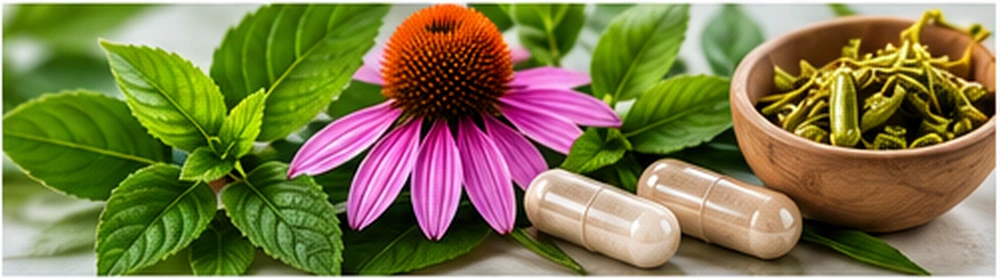
Resveratrol is a plant compound studied for metabolic health. Some trials in people with type 2 diabetes report changes in blood glucose or blood pressure. The preparation and population matter. Sources: Clinical-evidence overview
Product-label examples help you compare available strengths. The appropriate daily amount depends on your needs; formulations and availability vary by country.
Resveratrol — Preparation Overview
Specialty supplement preparation

Illustrative image; product appearance varies.
Other SupplementCommon Uses
Metabolic support: Trials suggest possible improvements in glucose regulation and blood pressure, particularly in people with type 2 diabetes.
Cholesterol: Some pooled research finds small reductions in total cholesterol in adults with overweight.
Cognition: Working-memory findings are promising but insufficient to establish treatment or prevention of cognitive decline.
Healthy-aging interest: Antioxidant mechanisms attract interest, but human lifespan extension has not been demonstrated. Research findings do not replace standard treatment.
Sources: Clinical-evidence overview
Common OTC Strengths
Find the amount specifically listed as trans-resveratrol. The weight of the whole knotweed or grape extract can be larger.
No general maximum is stated for this preparation. Check its specific safety guidance below.
* See additional info below: Resveratrol — Preparation Overview safety details. Upper limits are safety ceilings, not intake targets. Age and health conditions affect suitability.
How and Safety
Resveratrol influences oxidative-stress and cell-signaling pathways, including sirtuin-related pathways, in experimental studies. These findings explain interest in healthy aging, but they have not demonstrated that supplements extend human life. [1]
Check the preparation and actual resveratrol amount; review medicines before use. [3]
Seek clinical review before use if you take blood thinners or have a hormone-sensitive condition. [2]
Review blood thinners and hormone-sensitive cancers. High-dose and specialized preparations have distinct safety concerns. [2]
Trusted Sources
Simple tests to be certain of your individual needs.
Coming soon
Additional Ingredient Information: Safety & Toxicity
Common Uses & Evidence
Human research covers varied conditions, doses and preparations. Compare evidence relevant to your goal rather than transferring an isolated finding to every product. [1]
References
Form Type
Specialty supplement preparation
Bioavailability & Absorption
A numerical absorption band is not assigned to this broad preparation overview.
Interactions
Resveratrol may increase bleeding risk with blood thinners such as warfarin. Antiplatelet effects have been observed in laboratory studies; their clinical significance remains uncertain. A human study also found changes in drug-metabolizing enzymes after 1 gram daily for four weeks. Ask a pharmacist or prescribing clinician to review your medicines before combining them with resveratrol. Source: Memorial Sloan Kettering — Resveratrol.
Side Effects
Higher supplemental doses can cause nausea, gas, abdominal discomfort and diarrhea. Source: Memorial Sloan Kettering — Resveratrol.
Safety & Toxicity
People with hormone-sensitive cancers should discuss resveratrol with their treating clinician because it has estrogen-like activity in laboratory studies. A trial of a high-dose micronized preparation in people with multiple myeloma was stopped after serious adverse events, including kidney failure. That finding concerns a particular preparation and patient group; it does not quantify risk for every supplement. Source: Memorial Sloan Kettering — Resveratrol.
How and Safety — Details & Sources
The mechanism describes how an ingredient could work. Human studies can tell us which benefits people experience with a particular preparation.
Read the Safety & Toxicity and Interactions sections, where available, for further precautions. The preparation and other ingredients matter.
How and Safety — Sources
Further Form Considerations
Review blood thinners and hormone-sensitive cancers. High-dose and specialized preparations have distinct safety concerns.
Sources: 1
Visual References
Development visual references. These generic images do not identify the chemical composition or appearance of this specific form. Verification is pending.
Resveratrol — common questions
What is Resveratrol commonly used for?
Metabolic support: Trials suggest possible improvements in glucose regulation and blood pressure, particularly in people with type 2 diabetes.
Cholesterol: Some pooled research finds small reductions in total cholesterol in adults with overweight.
Cognition: Working-memory findings are promising but insufficient to establish treatment or prevention of cognitive decline.
Healthy-aging interest: Antioxidant mechanisms attract interest, but human lifespan extension has not been demonstrated. Research findings do not replace standard treatment.
Sources: Clinical-evidence overview
How well is Resveratrol absorbed?
A numerical absorption band is not assigned to this broad preparation overview.
What should I look for on the label for Resveratrol?
Find the amount specifically listed as trans-resveratrol. The weight of the whole knotweed or grape extract can be larger.
Which medicines or supplements can interact with Resveratrol?
Resveratrol may increase bleeding risk with blood thinners such as warfarin. Antiplatelet effects have been observed in laboratory studies; their clinical significance remains uncertain. A human study also found changes in drug-metabolizing enzymes after 1 gram daily for four weeks. Ask a pharmacist or prescribing clinician to review your medicines before combining them with resveratrol. Source: Memorial Sloan Kettering — Resveratrol.
What side effects can Resveratrol cause?
Higher supplemental doses can cause nausea, gas, abdominal discomfort and diarrhea. Source: Memorial Sloan Kettering — Resveratrol.