
Explore Quercetin
See how this form is used, what to look for on the label, and where to find it.
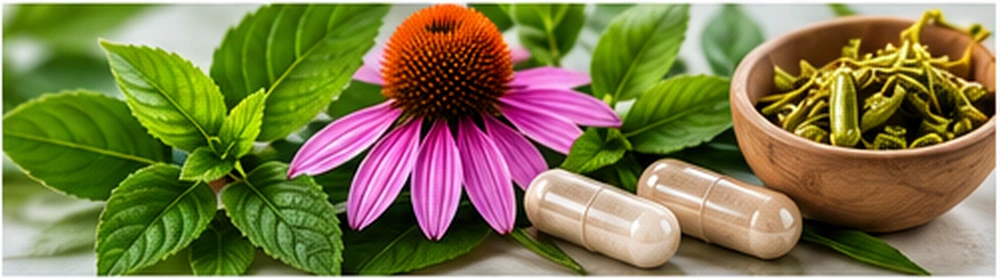
Quercetin is a plant flavonoid. A small human trial of a particular formulation found improvements in some seasonal allergy symptoms. The preparation matters when comparing those findings with a plain quercetin product. Sources: Allergy trial · Blood-pressure review
See how this ingredient works with other supplements
Product-label examples help you compare available strengths. The appropriate daily amount depends on your needs; formulations and availability vary by country.
Quercetin — Preparation Overview
Supplement preparation

Illustrative image; product appearance varies.
Other SupplementCommon Uses
Seasonal allergy symptoms: A small trial of a phytosome preparation found improvements in selected eye and nasal symptoms; wider confirmation is needed.
Blood pressure: Pooled trials suggest a small reduction, not a replacement for prescribed treatment.
Antioxidant interest: Studied for inflammatory and oxidative-stress pathways.
Preparation limits: Findings from an enhanced-absorption product cannot automatically be applied to every quercetin capsule. Broader disease-prevention claims remain unproven.
Sources: Allergy trial · Blood-pressure review
Common OTC Strengths
500 mg product strength; 1,000 mg in a checked serving.
Label sources: 1
Find quercetin and read its amount per serving. Check whether it is a conventional extract or part of a named delivery complex, then compare the same type across bottles.
No general maximum is stated for this preparation. Check its specific safety guidance below.
* See additional info below: Quercetin — Preparation Overview safety details. Upper limits are safety ceilings, not intake targets. Age and health conditions affect suitability.
How and Safety
Quercetin is a plant flavonoid that affects oxidative stress and inflammatory signaling in laboratory studies. Effects on histamine release offer a proposed allergy-related mechanism, but do not establish that supplements reliably treat allergies. [1]
Check the formulation and added ingredients, then follow the product’s directions. [3]
Arrange a medication review before combining this with warfarin or cancer medicines. [2]
Trusted Sources
Simple tests to be certain of your individual needs.
Coming soon
Additional Ingredient Information: Safety & Toxicity
Common Uses & Evidence
Human studies examine how formulations and food matrices affect quercetin availability. A delivery advantage needs to be tied to the specific formulation and measurement. [1]
Taking supplements together
References
Form Type
Supplement preparation
Bioavailability & Absorption
A comparative absorption score is not assigned to this broad preparation overview.
Interactions
Review quercetin with a pharmacist before combining it with medicines. A published case linked quercetin use with an increased INR in a person taking warfarin. Laboratory or animal findings also suggest interactions with some drug-metabolizing enzymes, losartan and tamoxifen; their importance in people remains uncertain. During cancer treatment, ask the oncology team before taking it. [2]
Safety & Toxicity
Food sources and concentrated supplements are different exposures. Quercetin has not been established as a treatment for cancer or other diseases. Review your medicines and health conditions before using a supplement; laboratory benefits do not establish a safe or effective treatment plan. [2]
Notes
This record covers quercetin preparations generally. Any claim that a particular formulation works better needs evidence for that formulation and intended use, not just a laboratory antioxidant result. [2]
How and Safety — Details & Sources
The mechanism describes how an ingredient could work. Human studies can tell us which benefits people experience with a particular preparation.
Read the Safety & Toxicity and Interactions sections, where available, for further precautions. The preparation and other ingredients matter.
How and Safety — Sources
Further Form Considerations
Visual References
Development visual references. These generic images do not identify the chemical composition or appearance of this specific form. Verification is pending.
Quercetin — common questions
What is Quercetin commonly used for?
Seasonal allergy symptoms: A small trial of a phytosome preparation found improvements in selected eye and nasal symptoms; wider confirmation is needed.
Blood pressure: Pooled trials suggest a small reduction, not a replacement for prescribed treatment.
Antioxidant interest: Studied for inflammatory and oxidative-stress pathways.
Preparation limits: Findings from an enhanced-absorption product cannot automatically be applied to every quercetin capsule. Broader disease-prevention claims remain unproven.
Sources: Allergy trial · Blood-pressure review
How well is Quercetin absorbed?
A comparative absorption score is not assigned to this broad preparation overview.
What should I look for on the label for Quercetin?
Find quercetin and read its amount per serving. Check whether it is a conventional extract or part of a named delivery complex, then compare the same type across bottles.
Which medicines or supplements can interact with Quercetin?
Review quercetin with a pharmacist before combining it with medicines. A published case linked quercetin use with an increased INR in a person taking warfarin. Laboratory or animal findings also suggest interactions with some drug-metabolizing enzymes, losartan and tamoxifen; their importance in people remains uncertain. During cancer treatment, ask the oncology team before taking it. [2]
Who should take extra care with Quercetin?
Food sources and concentrated supplements are different exposures. Quercetin has not been established as a treatment for cancer or other diseases. Review your medicines and health conditions before using a supplement; laboratory benefits do not establish a safe or effective treatment plan. [2]