
Explore NAC
See how this form is used, what to look for on the label, and where to find it.
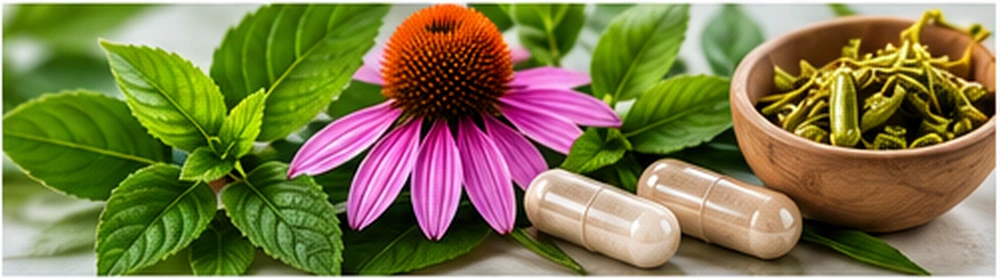
N-acetylcysteine, or NAC, can thin mucus and supplies cysteine for making glutathione. It has specific medical uses as well as uses studied in supplements. The intended use and preparation matter. Sources: COPD review · Mood review
See how this ingredient works with other supplements
Product-label examples help you compare available strengths. The appropriate daily amount depends on your needs; formulations and availability vary by country.
NAC — Oral Preparation
Amino acid or related compound

Illustrative image; product appearance varies.
Amino AcidCommon Uses
Chronic bronchitis and COPD: NAC thins mucus and may reduce flare-ups in selected patients when added to usual care.
Mood symptoms: Studied as an add-on in psychiatric care; trials suggest a small possible benefit, with important uncertainty.
Antioxidant role: Supplies a building block for glutathione. This mechanism alone does not demonstrate a general detoxification benefit.
Medical distinction: Hospital use for acetaminophen poisoning is a separate supervised treatment, not a reason to self-treat with an OTC product.
Sources: COPD review · Mood review
Common OTC Strengths
Find N-acetylcysteine (NAC) and read its amount per serving. Check whether selenium or other active ingredients are included.
No general maximum is stated for this preparation. Check its specific safety guidance below.
* See additional info below: NAC — Oral Preparation safety details. Upper limits are safety ceilings, not intake targets. Age and health conditions affect suitability.
How and Safety
NAC supplies cysteine, which the body can use to make the antioxidant glutathione. It can also break bonds in mucus proteins, although clinical drug treatments and oral supplements are not interchangeable. [1]
Follow the oral product’s directions and check interactions, especially if you use nitroglycerin. [3]
Do not self-treat a suspected acetaminophen overdose with supplements; obtain urgent medical care. [2]
Trusted Sources
Simple tests to be certain of your individual needs.
Coming soon
Additional Ingredient Information: Safety & Toxicity
Common Uses & Evidence
NAC is researched across multiple clinical contexts. Its established medical uses do not automatically establish benefits for every over-the-counter wellness purpose. [1]
Taking supplements together
Glycine and NAC for glutathione
References
Form Type
Amino acid or related compound
Bioavailability & Absorption
No comparative dot score is assigned to this preparation overview.
Interactions
NAC can intensify nitroglycerin’s blood-pressure-lowering effect and cause severe headaches; this combination requires prescriber oversight. Animal research also suggests interactions with imipramine and escitalopram, but their significance in people is unknown. [2]
Side Effects
Oral NAC can cause digestive upset, nausea, vomiting or diarrhea. Rash and fatigue have also been reported. [2]
Safety & Toxicity
NAC supplements are not a home treatment for suspected acetaminophen overdose. Suspected overdose requires immediate medical care, even before symptoms develop. Medical NAC treatment uses supervised, situation-specific protocols. [2]
How and Safety — Details & Sources
The mechanism describes how an ingredient could work. Human studies can tell us which benefits people experience with a particular preparation.
Read the Safety & Toxicity and Interactions sections, where available, for further precautions. The preparation and other ingredients matter.
How and Safety — Sources
Further Form Considerations
Visual References
Development visual references. These generic images do not identify the chemical composition or appearance of this specific form. Verification is pending.
NAC — common questions
What is NAC commonly used for?
Chronic bronchitis and COPD: NAC thins mucus and may reduce flare-ups in selected patients when added to usual care.
Mood symptoms: Studied as an add-on in psychiatric care; trials suggest a small possible benefit, with important uncertainty.
Antioxidant role: Supplies a building block for glutathione. This mechanism alone does not demonstrate a general detoxification benefit.
Medical distinction: Hospital use for acetaminophen poisoning is a separate supervised treatment, not a reason to self-treat with an OTC product.
Sources: COPD review · Mood review
How well is NAC absorbed?
No comparative dot score is assigned to this preparation overview.
What should I look for on the label for NAC?
Find N-acetylcysteine (NAC) and read its amount per serving. Check whether selenium or other active ingredients are included.
Which medicines or supplements can interact with NAC?
NAC can intensify nitroglycerin’s blood-pressure-lowering effect and cause severe headaches; this combination requires prescriber oversight. Animal research also suggests interactions with imipramine and escitalopram, but their significance in people is unknown. [2]
What side effects can NAC cause?
Oral NAC can cause digestive upset, nausea, vomiting or diarrhea. Rash and fatigue have also been reported. [2]