
Explore HMB
See how this form is used, what to look for on the label, and where to find it.
HMB is made from the amino acid leucine. It is studied for preserving muscle during inactivity or recovery and for muscle function in older adults. Sources: ISSN: HMB evidence review
See how this ingredient works with other supplements
Product-label examples help you compare available strengths. The appropriate daily amount depends on your needs; formulations and availability vary by country.
HMB — Oral Preparation
Amino acid or related compound

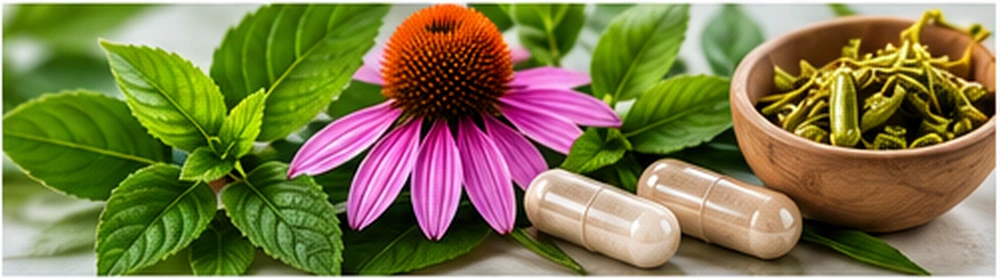
Illustrative image; product appearance varies.
Amino AcidCommon Uses
Muscle preservation: Studied for limiting muscle loss during inactivity, aging or recovery from illness.
Training recovery: May reduce muscle damage and support repair after demanding exercise.
Strength: Some studies find benefits in beginners or older adults; results in trained athletes are mixed.
How it works: A leucine metabolite that influences muscle protein synthesis and breakdown. Benefits depend on nutrition, training and the population studied; it does not substitute for rehabilitation or adequate protein.
Sources: ISSN: HMB evidence review
Common OTC Strengths
500–1,000 mg HMB product strengths.
Label sources: 1
Read the amount listed specifically as HMB. The weight of calcium-HMB includes calcium too. Check how much calcium and any added vitamin D the product supplies.
No general maximum is stated for this preparation. Check its specific safety guidance below.
* See additional info below: HMB — Oral Preparation safety details. Upper limits are safety ceilings, not intake targets. Age and health conditions affect suitability.
How and Safety
HMB is made from the amino acid leucine and influences processes involved in muscle protein synthesis and breakdown. This provides a rationale for muscle-preservation research, but benefits depend on the population, training and nutritional setting. [1]
Use alongside adequate nutrition and rehabilitation or training; check calcium contributed by HMB-Ca. [5]
Use HMB alongside adequate dietary protein and an appropriate exercise plan. [2]
Trusted Sources
Simple tests to be certain of your individual needs.
Coming soon
Additional Ingredient Information: Common or Studied Dosage, Safety & Toxicity
Common Uses & Evidence
Research covers different populations and exercise settings. Compare the studied form and purpose rather than assuming equal benefit for every trained adult. [1]
Taking supplements together
References
Form Type
Amino acid or related compound
Bioavailability & Absorption
No comparative dot score is assigned to this preparation overview.
Common or Studied Dosage
Common studied amount: Approximately 3 g/day of HMB has been used in adult exercise studies. This is a research-based supplemental amount, not a nutritional requirement or a promise of benefit. Calcium-HMB and HMB free acid are different preparations; match the dose to the actual HMB content and account for calcium supplied by calcium-HMB. See Safety & Toxicity below. [3]
Safety & Toxicity
Short adult studies of about 3 g/day generally found good tolerance. Long-term and adolescent safety remain less established. [2]
How and Safety — Details & Sources
The mechanism describes how an ingredient could work. Human studies can tell us which benefits people experience with a particular preparation.
Read the Safety & Toxicity and Interactions sections, where available, for further precautions. The preparation and other ingredients matter.
How and Safety — Sources
Further Form Considerations
Visual References
Development visual references. These generic images do not identify the chemical composition or appearance of this specific form. Verification is pending.
HMB — common questions
What is HMB commonly used for?
Muscle preservation: Studied for limiting muscle loss during inactivity, aging or recovery from illness.
Training recovery: May reduce muscle damage and support repair after demanding exercise.
Strength: Some studies find benefits in beginners or older adults; results in trained athletes are mixed.
How it works: A leucine metabolite that influences muscle protein synthesis and breakdown. Benefits depend on nutrition, training and the population studied; it does not substitute for rehabilitation or adequate protein.
Sources: ISSN: HMB evidence review
How well is HMB absorbed?
No comparative dot score is assigned to this preparation overview.
What should I look for on the label for HMB?
Read the amount listed specifically as HMB. The weight of calcium-HMB includes calcium too. Check how much calcium and any added vitamin D the product supplies.
Who should take extra care with HMB?
Short adult studies of about 3 g/day generally found good tolerance. Long-term and adolescent safety remain less established. [2]
How does HMB work?
HMB is made from the amino acid leucine and influences processes involved in muscle protein synthesis and breakdown. This provides a rationale for muscle-preservation research, but benefits depend on the population, training and nutritional setting. [1]