
Compare Folate (Vitamin B9) Forms
Compare forms and their uses to find the right form for you.
Folate supports growth, cell division and healthy red blood cells. Folic acid also has an established role before conception and in early pregnancy in reducing neural tube defects. [1] [3]
See how this ingredient works with other supplements
Folate (Vitamin B9) at a glance
A quick comparison before you explore the details below.
| Form | Common reasons to choose it | Key difference | Explore form |
|---|---|---|---|
| Folate (Vitamin B9) Folic Acid | Low folate; Cell growth. | More bioavailable than naturally occurring food folate. [1] | See Form Details ↓: Folic Acid |
| L-5-MTHF Methylfolate | Folate supply; Low folate. | Bioavailability can equal or exceed folic acid; DFE conversion factors are not formally established. [1] | See Form Details ↓: L-5-MTHF — Methylfolate |
Explore each form
Folic Acid
Synthetic folate used in fortification and supplements. [1]
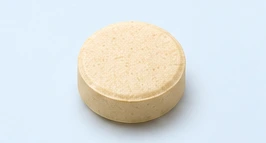
Illustrative rendering. Actual products may look different.
VitaminCommon Uses
Low folate: Replaces deficiency and related anemia after B12 assessment.
Cell growth: Supports DNA synthesis and blood cells.
Medicine support: Prescribed with low-dose methotrexate in selected inflammatory conditions.
Nutritional replacement and selected medicine support are established uses. Folate plans during cancer treatment require the prescriber’s direction. [1]
Dosage and Label
OTC label strength*:400–800 mcg folic acid (680–1,360 mcg DFE).
U.S. adult limit: 1,000 mcg/day folic acid from supplements and fortified foods—not 1,000 mcg DFE. [1]
† Upper limits are safety ceilings, not intake targets. Age and health conditions affect suitability. See additional info below: Folic Acid safety details.
Find Folate on the label. The number in mcg DFE describes total folate in dietary folate equivalents. Look in parentheses for the amount specifically supplied as folic acid.
Click below to see age-based dosages.
See Dosage Table: Folic AcidHow and Safety
Supports DNA production, cell division and the formation of healthy red blood cells. [1]
Read both dietary folate equivalents (DFE) and the actual ingredient amount; they are different units. [1]
Check for B12 deficiency before using high-dose folate for anemia. [1]
Large amounts can hide B12-related anemia while nerve damage continues. Check use with methotrexate or antiseizure medicines. [1]
Trusted Sources
Simple tests to be certain of your individual needs.
Coming soon
Additional Ingredient Information: Common or Studied Dosage, Safety & Toxicity, Timing & Method
Common Uses & Evidence
Folate deficiency: Replenishes low folate and treats related megaloblastic anemia after B12 status is considered.
Cell growth: Supports DNA synthesis and normal red blood cell production.
Selected medicine support: Clinicians often prescribe folic acid with low-dose methotrexate for rheumatoid arthritis or psoriasis to reduce side effects.
Clinical distinction: Folate can interact with cancer treatment; medicine-related use must follow the prescriber's plan rather than self-adjustment.
Sources: NIH ODS
Expanded uses — evidence context: Neural-tube-defect prevention evidence and public-health recommendations specify folic acid, including for common MTHFR variants. Folate is needed for DNA synthesis; assess B12 deficiency when evaluating anemia.
Pregnancy prevention context: The folate form shown to help prevent neural tube defects. [3]
MTHFR variants do not mean folic acid cannot be processed. [3]
Initial source-led summary. Specific clinical indications, products and doses require review.
Taking supplements together
References
Form Type
Synthetic folate used in fortification and supplements. [1]
Bioavailability & Absorption
More bioavailable than naturally occurring food folate. [1]
Common or Studied Dosage
General nutrient guidance; not a form-specific treatment dose or finding.
Daily nutritional requirement: 400 mcg DFE/day. [2]
Supplemental amount: Choose the amount needed to close a dietary gap or follow an assessed clinical purpose; the daily requirement includes food. [2]
Upper limit — not a suggested dose: 1,000 mcg/day of folic acid from supplements and fortified foods. See Safety and Toxicity below. [2]
Folate (B9) — Daily nutritional intake
Recommended amounts include food and supplements together. These are nutritional reference amounts; form-specific supplemental guidance is listed separately.
Pregnancy or breastfeeding: Consult your physician before taking any supplements.
| Life stage | Recommended daily amount | Upper limit per day† |
|---|---|---|
| 0–6 months* | 65 mcg DFE | Not established |
| 7–12 months* | 80 mcg DFE | Not established |
| 1–3 years | 150 mcg DFE | 300 mcg |
| 4–8 years | 200 mcg DFE | 400 mcg |
| 9–13 years | 300 mcg DFE | 600 mcg |
| 14–18 years | 400 mcg DFE | 800 mcg |
| 19+ years | 400 mcg DFE | 1,000 mcg |
RDA = Recommended Dietary Allowance. * Infant values marked with an asterisk are Adequate Intakes (AI).
† Upper limits are expressed in mcg of synthetic folate from supplements and fortified foods, not mcg DFE, and exclude naturally occurring food folate. Do not compare a label’s DFE number directly with this limit; check its listed folic acid amount and the form-specific guidance. Upper limits are not target doses or a guarantee of safety.
“Not established” does not mean unlimited intake is safe. Consult a clinician about supplementation for infants, medical conditions or deficiency treatment.
DFE means dietary folate equivalents. Folic acid and food folate have different conversions; compare the label’s DFE amount. If pregnancy is possible, ask your physician about folate and folic acid before taking supplements.
Source: NIH Office of Dietary Supplements — Folate (B9). Upper-limit references checked November 1, 2026.
Timing & Method
General nutrient guidance; not a form-specific treatment dose or finding.
Pregnancy prevention guidance concerns folic acid taken before conception and early in pregnancy; timing after a positive test may miss part of the critical period. [1]
Absorption Factors
General nutrient guidance; not a form-specific treatment dose or finding.
Dietary folate equivalents account for differences between food folate and supplemental folic acid; compare labels using the stated units. [1]
Interactions
Methotrexate: Folate use depends on the reason for treatment. It may be prescribed with low-dose treatment for inflammatory disease, but cancer treatment requires oncology approval. Seizure medicines and sulfasalazine can also affect folate status; supplementation needs prescriber review. [1]
Safety & Toxicity
General nutrient guidance; not a form-specific treatment dose or finding.
Adult upper limit: 1,000 mcg/day of folic acid from supplements and fortified foods. High supplemental folate can conceal anemia from B12 deficiency while nerve damage continues. Review methotrexate and antiseizure medicines. [2]
Notes
Research draft; no numerical absorption rating assigned.
Absorption Evidence & Sources
NIH reports 5-MTHF bioavailability as similar to or greater than folic acid, depending on the study. A universal high/low order is not assigned. Absorption does not make the forms interchangeable for every use, including neural-tube-defect prevention guidance.
How and Safety — Details & Sources
Folate advice during methotrexate treatment depends on the condition and regimen; follow the prescriber’s instructions rather than adding or stopping it independently.
Sources for How and Safety
Common OTC strength — label references
Selected examples of marketed strengths; not dosing recommendations. Formulations and availability vary by country.
Further Form Considerations
Adult daily intake: 400 mcg DFE/day (food + supplements).
CDC recommends 400 mcg/day for people who could become pregnant, including those with MTHFR variants. [3]
L-5-MTHF — Methylfolate
Reduced folate; L-methylfolate. [1]
Illustrative rendering. Actual products may look different.
VitaminCommon Uses
Folate supply: Provides 5-MTHF for DNA synthesis and blood cells.
Low folate: Contributes to replacement after considering B12 status.
Depression adjunct: Studied alongside antidepressants in selected patients.
Some supervised high-dose studies found benefit after inadequate antidepressant response. Those findings do not establish the same effect for ordinary multivitamin amounts. [1]
Dosage and Label
OTC label strength*:1,000 mcg 5-MTHF (1,700 mcg DFE) in a verified example.
Limits depend on folate form and reference standard. Do not compare mcg DFE directly with a folic-acid limit; see the detailed guidance. [1]
† Upper limits are safety ceilings, not intake targets. Age and health conditions affect suitability. See additional info below: L-5-MTHF — Methylfolate safety details.
Find Folate and look for L-5-methyltetrahydrofolate, also called 5-MTHF. To compare amounts of this ingredient, use the amount identified as 5-MTHF. The number in mcg DFE describes folate in dietary folate equivalents.
Click below to see age-based dosages.
See Dosage Table: L-5-MTHF — MethylfolateHow and Safety
Supports DNA production, cell division and the formation of healthy red blood cells. [1]
Read both dietary folate equivalents (DFE) and the actual ingredient amount; they are different units. [1]
Check for B12 deficiency before using high-dose folate for anemia. [1]
Large amounts can hide B12-related anemia while nerve damage continues. Check use with methotrexate or antiseizure medicines. [1]
Trusted Sources
Simple tests to be certain of your individual needs.
Coming soon
Additional Ingredient Information: Common or Studied Dosage, Safety & Toxicity, Timing & Method
Common Uses & Evidence
Folate intake: Provides 5-MTHF to help meet folate needs and support DNA synthesis and blood cell formation.
Deficiency replacement: Can contribute to correction of low folate; B12 deficiency must also be considered.
Depression adjunct: High-dose L-methylfolate has helped some people with inadequate antidepressant response, but evidence is limited.
Treatment distinction: Those supervised studies do not establish the same benefit for routine multivitamin amounts or justify replacing mental-health treatment.
Sources: NIH ODS
Expanded uses — evidence context: Neural-tube-defect prevention evidence and public-health recommendations specify folic acid, including for common MTHFR variants. Folate is needed for DNA synthesis; assess B12 deficiency when evaluating anemia.
Folate intake: An alternative supplemental form. [1]
CDC’s neural-tube-defect prevention guidance specifically identifies folic acid. [3]
Initial source-led summary. Specific clinical indications, products and doses require review.
Taking supplements together
References
Form Type
Reduced folate; L-methylfolate. [1]
Bioavailability & Absorption
Bioavailability can equal or exceed folic acid; DFE conversion factors are not formally established. [1]
Common or Studied Dosage
General nutrient guidance; not a form-specific treatment dose or finding.
Daily nutritional requirement: 400 mcg DFE/day. [2]
Supplemental amount: Choose the amount needed to close a dietary gap or follow an assessed clinical purpose; the daily requirement includes food. [2]
Upper limit — not a suggested dose: 1,000 mcg/day of folic acid from supplements and fortified foods. See Safety and Toxicity below. [2]
Folate (B9) — Daily nutritional intake
Recommended amounts include food and supplements together. These are nutritional reference amounts; form-specific supplemental guidance is listed separately.
Pregnancy or breastfeeding: Consult your physician before taking any supplements.
| Life stage | Recommended daily amount | Upper limit per day† |
|---|---|---|
| 0–6 months* | 65 mcg DFE | Not established |
| 7–12 months* | 80 mcg DFE | Not established |
| 1–3 years | 150 mcg DFE | 300 mcg |
| 4–8 years | 200 mcg DFE | 400 mcg |
| 9–13 years | 300 mcg DFE | 600 mcg |
| 14–18 years | 400 mcg DFE | 800 mcg |
| 19+ years | 400 mcg DFE | 1,000 mcg |
RDA = Recommended Dietary Allowance. * Infant values marked with an asterisk are Adequate Intakes (AI).
† Upper limits are expressed in mcg of synthetic folate from supplements and fortified foods, not mcg DFE, and exclude naturally occurring food folate. Do not compare a label’s DFE number directly with this limit; check its listed folic acid amount and the form-specific guidance. Upper limits are not target doses or a guarantee of safety.
“Not established” does not mean unlimited intake is safe. Consult a clinician about supplementation for infants, medical conditions or deficiency treatment.
DFE means dietary folate equivalents. Folic acid and food folate have different conversions; compare the label’s DFE amount. If pregnancy is possible, ask your physician about folate and folic acid before taking supplements.
Source: NIH Office of Dietary Supplements — Folate (B9). Upper-limit references checked November 1, 2026.
Timing & Method
General nutrient guidance; not a form-specific treatment dose or finding.
Pregnancy prevention guidance concerns folic acid taken before conception and early in pregnancy; timing after a positive test may miss part of the critical period. [1]
Absorption Factors
General nutrient guidance; not a form-specific treatment dose or finding.
Dietary folate equivalents account for differences between food folate and supplemental folic acid; compare labels using the stated units. [1]
Interactions
Methotrexate: Folate use depends on the reason for treatment. It may be prescribed with low-dose treatment for inflammatory disease, but cancer treatment requires oncology approval. Seizure medicines and sulfasalazine can also affect folate status; supplementation needs prescriber review. [1]
Safety & Toxicity
General nutrient guidance; not a form-specific treatment dose or finding.
Adult upper limit: 1,000 mcg/day of folic acid from supplements and fortified foods. High supplemental folate can conceal anemia from B12 deficiency while nerve damage continues. Review methotrexate and antiseizure medicines. [2]
Notes
Research draft; no numerical absorption rating assigned.
Absorption Evidence & Sources
NIH reports 5-MTHF bioavailability as similar to or greater than folic acid, depending on the study. A universal high/low order is not assigned. Absorption does not make the forms interchangeable for every use, including neural-tube-defect prevention guidance.
How and Safety — Details & Sources
Folate advice during methotrexate treatment depends on the condition and regimen; follow the prescriber’s instructions rather than adding or stopping it independently.
Sources for How and Safety
Common OTC strength — label references
Selected examples of marketed strengths; not dosing recommendations. Formulations and availability vary by country.
Label sources: 1
Further Form Considerations
Adult daily intake: 400 mcg DFE/day (food + supplements).
Do not substitute absorption claims for pregnancy-prevention evidence. [3]
Folate (Vitamin B9) — common questions
What is Folate (Vitamin B9) commonly used for?
Folic Acid
Folate deficiency: Replenishes low folate and treats related megaloblastic anemia after B12 status is considered.
Cell growth: Supports DNA synthesis and normal red blood cell production.
Selected medicine support: Clinicians often prescribe folic acid with low-dose methotrexate for rheumatoid arthritis or psoriasis to reduce side effects.
Clinical distinction: Folate can interact with cancer treatment; medicine-related use must follow the prescriber's plan rather than self-adjustment.
Sources: NIH ODS
L-5-MTHF — Methylfolate
Folate intake: Provides 5-MTHF to help meet folate needs and support DNA synthesis and blood cell formation.
Deficiency replacement: Can contribute to correction of low folate; B12 deficiency must also be considered.
Depression adjunct: High-dose L-methylfolate has helped some people with inadequate antidepressant response, but evidence is limited.
Treatment distinction: Those supervised studies do not establish the same benefit for routine multivitamin amounts or justify replacing mental-health treatment.
Sources: NIH ODS
What does the research say about Folate (Vitamin B9)?
Folic Acid
Nutritional replacement and selected medicine support are established uses. Folate plans during cancer treatment require the prescriber’s direction. [1]
L-5-MTHF — Methylfolate
Some supervised high-dose studies found benefit after inadequate antidepressant response. Those findings do not establish the same effect for ordinary multivitamin amounts. [1]
How well is Folate (Vitamin B9) absorbed?
Folic Acid
More bioavailable than naturally occurring food folate. [1]
L-5-MTHF — Methylfolate
Bioavailability can equal or exceed folic acid; DFE conversion factors are not formally established. [1]
What should I look for on the label for Folate (Vitamin B9)?
Folic Acid
Find Folate on the label. The number in mcg DFE describes total folate in dietary folate equivalents. Look in parentheses for the amount specifically supplied as folic acid.
L-5-MTHF — Methylfolate
Find Folate and look for L-5-methyltetrahydrofolate, also called 5-MTHF. To compare amounts of this ingredient, use the amount identified as 5-MTHF. The number in mcg DFE describes folate in dietary folate equivalents.
Which medicines or supplements can interact with Folate (Vitamin B9)?
Folic Acid
Methotrexate: Folate use depends on the reason for treatment. It may be prescribed with low-dose treatment for inflammatory disease, but cancer treatment requires oncology approval. Seizure medicines and sulfasalazine can also affect folate status; supplementation needs prescriber review. [1]
What should I know about combining Folate (Vitamin B9) with other supplements?
About Folate (Vitamin B9): intake, safety and evidence
Common Forms
Folic acid and L-5-MTHF have different labeling and evidence considerations. [1]
Bioavailable Form
Common Uses
Folate supports growth, cell division and healthy red blood cells. Folic acid also has an established role before conception and in early pregnancy in reducing neural tube defects. [3]
Supplemental Dosage
Daily nutritional requirement: 400 mcg DFE/day. [2]
Supplemental amount: Choose the amount needed to close a dietary gap or follow an assessed clinical purpose; the daily requirement includes food. [2]
Upper limit — not a suggested dose: 1,000 mcg/day of folic acid from supplements and fortified foods. See Safety and Toxicity below. [2]
Best Time and Method
Pregnancy prevention guidance concerns folic acid taken before conception and early in pregnancy; timing after a positive test may miss part of the critical period. [1]
RDA / Adequate Intake
Adult reference intake: 400 mcg DFE/day. Pregnancy, breastfeeding and younger ages have separate values. [2]
Deficiency Symptoms
Deficiency can cause megaloblastic anemia, fatigue and weakness. B12 deficiency must also be considered. [1]
Upper Limit and Toxicity
Adult upper limit: 1,000 mcg/day of folic acid from supplements and fortified foods. High supplemental folate can conceal anemia from B12 deficiency while nerve damage continues. Review methotrexate and antiseizure medicines. [2]
Absorption Enhancers and Inhibitors
Dietary folate equivalents account for differences between food folate and supplemental folic acid; compare labels using the stated units. [1]
Drug and Nutrient Interactions
Methotrexate and some antiepileptic medicines require indication-specific review; folate decisions differ between cancer and other treatment settings. [1]
Ingredient Notes:
Do not assume a methylfolate product has the same neural-tube-defect prevention evidence as folic acid. [1]
Special Populations
People who could become pregnant need pregnancy-prevention guidance distinct from routine dietary folate targets. [1]
Contraindications
Large folic-acid intakes can correct anemia while neurological damage from B12 deficiency continues; assess unexplained anemia appropriately. [1]
Chemical Forms
Folic acid and 5-methyltetrahydrofolate (5-MTHF). [1]