
Energy & Fatigue

Explore individual supplements for Energy & Fatigue, or start with our selected combination.
Explore individual supplements
Browse the options below, or filter by supplement type.
Common Uses ForEnergy & Fatigue
- When iron deficiency causes fatigue. Iron helps rebuild hemoglobin, the protein that carries oxygen in your blood. [1]
- Everyday effort. If iron-deficiency anemia makes an ordinary walk feel unusually tiring, treating it can improve your exercise capacity. [1]
Evidence: A blood count and an iron test such as ferritin can help your physician check whether low iron explains persistent fatigue and why it is low. [1]
How and Safety
Makes the hemoglobin that carries oxygen in blood and supports muscle oxygen storage and cellular energy metabolism. [1]
Best absorbed on an empty stomach; a small meal can help if it causes nausea. [2]
Best absorbed on an empty stomach; a small meal can help if it causes nausea. [2]
Avoid taking with calcium or antacids; ask about spacing from levothyroxine and other medicines. [1]
Can cause constipation and stomach upset. Avoid unsupervised use with iron overload. Keep away from children—overdose can be fatal. [1]
Additional Ingredient Information: Common or Studied Dosage, Safety & Toxicity, Timing & Method
Use-specific Evidence & Context
Sources for these use-case reasons
A blood count and an iron test such as ferritin can help your physician check whether low iron explains persistent fatigue and why it is low. [1]
Common Uses & Evidence
Expanded uses — evidence context: Fatigue has many causes; iron helps when iron deficiency is responsible. Evaluate the source of iron loss and use laboratory follow-up. Routine extra iron is not appropriate for everyone.
Iron deficiency: A commonly used oral treatment source. [1]
Evidence boundary: Nutrient functions and deficiency correction do not establish additional benefits in people whose intake is adequate. Form comparisons below require editorial review.
Taking supplements together
Vitamin C and iron. A vitamin C-rich food with beans, grains or vegetables helps your body absorb their nonheme iron. In a trial of adults being treated for iron-deficiency anemia, iron tablets alone restored hemoglobin about as well as iron plus vitamin C. An extra vitamin C tablet is optional in that setting. Source 1 · Source 2
References
Form Type
Ferrous iron salt. [1]
Bioavailability & Absorption
Ferrous salts are generally more bioavailable than ferric salts. [1]
Common or Studied Dosage
General nutrient guidance; not a form-specific treatment dose or finding.
Daily nutritional requirement: 8 mg/day for adult men; 18 mg/day for women ages 19–50; 8 mg/day for women over 50. [1]
Supplemental amount: Many women’s multivitamins provide 18 mg; many iron-only products provide 65 mg. These label amounts are not interchangeable recommendations, and treatment amounts may exceed the UL under medical supervision. [1]
Upper limit — not a suggested dose: 45 mg/day total. See Safety and Toxicity below. [1]
Iron — Daily nutritional intake
Recommended amounts include food and supplements together. These are nutritional reference amounts; form-specific supplemental guidance is listed separately.
Pregnancy or breastfeeding: Consult your physician before taking any supplements.
| Life stage | Recommended daily amount | Upper limit per day† |
|---|---|---|
| 0–6 months* | 0.27 mg | 40 mg |
| 7–12 months | 11 mg | 40 mg |
| 1–3 years | 7 mg | 40 mg |
| 4–8 years | 10 mg | 40 mg |
| 9–13 years | 8 mg | 40 mg |
| 14–18 years — male | 11 mg | 45 mg |
| 14–18 years — female | 15 mg | 45 mg |
| 19–50 years — male | 8 mg | 45 mg |
| 19–50 years — female | 18 mg | 45 mg |
| 51+ years | 8 mg | 45 mg |
RDA = Recommended Dietary Allowance. * Infant values marked with an asterisk are Adequate Intakes (AI).
† Upper limits include food, beverages and supplements. Upper limits are not target doses or a guarantee of safety.
“Not established” does not mean unlimited intake is safe. Consult a clinician about supplementation for infants, medical conditions or deficiency treatment.
Use elemental iron on Supplement Facts. NIH lists iron requirements as 1.8 times higher for vegetarian diets. Treatment of iron deficiency requires separate clinical guidance.
Source: NIH Office of Dietary Supplements — Iron. Upper-limit references checked November 1, 2026.
Timing & Method
General nutrient guidance; not a form-specific treatment dose or finding.
Food can reduce absorption but improve tolerance; follow the specific treatment plan and medicine-spacing instructions. [1]
Absorption Factors
General nutrient guidance; not a form-specific treatment dose or finding.
Vitamin C enhances nonheme-iron absorption; phytate can inhibit it. [1]
Vitamin C and iron. A vitamin C-rich food with beans, grains or vegetables helps your body absorb their nonheme iron. In a trial of adults being treated for iron-deficiency anemia, iron tablets alone restored hemoglobin about as well as iron plus vitamin C. An extra vitamin C tablet is optional in that setting. Source 1 · Source 2
Interactions
Medicine spacing: Iron can reduce absorption of levodopa and levothyroxine. Some levothyroxine labels specify at least four hours apart; follow your medicine’s instructions or ask a pharmacist.
Acid-suppressing proton pump inhibitors can reduce iron absorption, particularly relevant when treating deficiency.
Source: NIH ODS — Iron.
Other supplements to check
Calcium and iron supplements. Calcium can interfere with iron absorption when both supplements are taken together. If you use both, taking them at different times is a practical option. Source
Iron and zinc. A supplement supplying 25 mg or more of elemental iron can reduce zinc absorption when taken at the same time. This timing issue concerns supplemental iron more than ordinary meals. Source
Competing Minerals
General nutrient guidance; not a form-specific treatment dose or finding.
Calcium can reduce iron absorption in some settings. Dose and treatment context determine whether separation is useful. [1]
Side Effects
Constipation, nausea, abdominal discomfort, or diarrhea can occur. Persistent or severe symptoms warrant advice rather than increasing the dose.
Source: MedlinePlus — Iron Supplements.
Safety & Toxicity
Keep away from children: An iron overdose can be life-threatening. Seek immediate medical or poison-control advice after an accidental overdose.
Follow the prescribed or labeled amount; avoid combining iron products without checking the total.
Source: MedlinePlus — Iron Supplements.
Notes
No numeric bioavailability score or product endorsement assigned.
How and Safety — Details & Sources
The amount of elemental iron differs among salts. A clinician should establish the cause of low iron and guide treatment and follow-up.
Sources for How and Safety
Common OTC strength — label references
Selected examples of marketed strengths; not dosing recommendations. Formulations and availability vary by country.
Further Form Considerations
Adult daily intake: Men: 8 mg/day; women age 19–50: 18 mg/day, age 51+: 8 mg/day (food + supplements).
Digestive side effects can limit adherence. [1]
Vitamin B12 — Cyanocobalamin
Water-soluble cobalamin. [1]
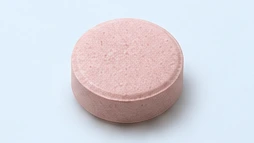
Illustrative rendering. Actual products may look different.
VitaminCommon Uses ForEnergy & Fatigue
- When B12 is low. Replacing B12 can ease weakness and tiredness from B12-deficiency anemia. [1]
- When the gap keeps returning. People who absorb little B12 or regularly eat few B12-containing foods may need ongoing replacement. Extra B12 has not been shown to increase energy in people who already get enough. [1]
How and Safety
Helps make DNA and healthy red blood cells and maintains normal nerve function. [1]
Follow the label; confirmed deficiency or malabsorption may need a clinician-directed dose or route. [1]
Have unexplained anemia assessed for B12 deficiency before using folic acid alone. [2]
No upper limit is established. Metformin and stomach-acid medicines can lower B12 status; persistent symptoms need assessment. [1]
Additional Ingredient Information: Common or Studied Dosage, Safety & Toxicity, Timing & Method
Use-specific Evidence & Context
Sources for these use-case reasons
Common Uses & Evidence
Expanded uses — evidence context: Deficiency-related neurological symptoms need prompt assessment. Treatment route and amount depend on the cause, including malabsorption. Extra B12 is not an established energy or memory enhancer in people with adequate status.
B12 intake: Common oral option for low intake or clinician-directed deficiency treatment. [1]
Evidence boundary: Nutrient functions and deficiency correction do not establish additional benefits in people whose intake is adequate. Form comparisons below require editorial review.
Taking supplements together
Folate and B12. Folate and vitamin B12 work together in cell division and red blood cell production. With suspected deficiency, check B12 as well. Large amounts of folic acid can correct the anemia while nerve damage from B12 deficiency continues. Source
References
Form Type
Water-soluble cobalamin. [1]
Bioavailability & Absorption
No evidence shows lower supplemental absorption than other B12 forms. Absorption is dose-dependent. [1]
Common or Studied Dosage
Daily nutritional requirement (RDA): 2.4 mcg for adults; 2.6 mcg during pregnancy and 2.8 mcg while breastfeeding, from food and supplements combined.
Amounts commonly sold: NIH describes 5–25 mcg in multivitamins and 500–1,000 mcg in B12-only products. These are product amounts, not a recommendation for everyone; deficiency treatment is individualized.
Upper limit: No established UL. See Safety and Toxicity.
Source: NIH ODS — Vitamin B12.
Vitamin B12 — Daily nutritional intake
Recommended amounts include food and supplements together. These are nutritional reference amounts; form-specific supplemental guidance is listed separately.
Pregnancy or breastfeeding: Consult your physician before taking any supplements.
| Life stage | Recommended daily amount |
|---|---|
| 0–6 months* | 0.4 mcg |
| 7–12 months* | 0.5 mcg |
| 1–3 years | 0.9 mcg |
| 4–8 years | 1.2 mcg |
| 9–13 years | 1.8 mcg |
| 14–18 years | 2.4 mcg |
| 19+ years | 2.4 mcg |
RDA = Recommended Dietary Allowance. * Infant values marked with an asterisk are Adequate Intakes (AI).
No established upper limit does not mean unlimited intake is safe. Consult a clinician about supplementation for infants, medical conditions or deficiency treatment.
Supplement doses used for deficiency or impaired absorption can differ substantially from the daily nutritional requirement.
Source: NIH Office of Dietary Supplements — Vitamin B12. Upper-limit references checked November 1, 2026.
Timing & Method
General nutrient guidance; not a form-specific treatment dose or finding.
Food-bound B12 must be released during digestion; supplemental B12 is already in free form. Oral treatment depends on dose and cause of deficiency. [1]
Absorption Factors
General nutrient guidance; not a form-specific treatment dose or finding.
Dose and intrinsic-factor function affect absorption. [1]
Interactions
Metformin can lower vitamin B12 levels. Acid-suppressing medicines can reduce absorption of B12 from food. Discuss testing and supplementation with your clinician if you use these medicines regularly; do not stop prescribed treatment yourself.
Source: NIH ODS — Vitamin B12.
Safety & Toxicity
Upper limit: No UL has been established because B12 has low toxicity potential. This does not make higher doses necessary. Suspected deficiency, particularly with numbness or tingling, needs timely assessment.
Source: NIH ODS — Vitamin B12.
Notes
No numeric bioavailability score or product endorsement assigned.
How and Safety — Details & Sources
B12 deficiency can damage nerves even without anemia. High-dose oral treatment and injections are options in selected cases, rather than interchangeable self-treatment.
Sources for How and Safety
Common OTC strength — label references
Selected examples of marketed strengths; not dosing recommendations. Formulations and availability vary by country.
Further Form Considerations
Adult daily intake: 2.4 mcg/day (food + supplements).
Malabsorption may require a different dose or delivery route. [2]
Folic Acid
Synthetic folate used in fortification and supplements. [1]
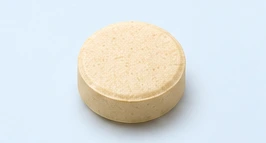
Illustrative rendering. Actual products may look different.
VitaminCommon Uses ForEnergy & Fatigue
- When folate is low. Folic acid helps the body make healthy red blood cells again when folate deficiency is causing anemia and tiredness. [1]
Evidence: Folate and B12 deficiencies can both cause anemia. High amounts of folic acid can improve the anemia while nerve injury from low B12 continues, so checking B12 matters. [1]
How and Safety
Supports DNA production, cell division and the formation of healthy red blood cells. [1]
Read both dietary folate equivalents (DFE) and the actual ingredient amount; they are different units. [1]
Check for B12 deficiency before using high-dose folate for anemia. [1]
Large amounts can hide B12-related anemia while nerve damage continues. Check use with methotrexate or antiseizure medicines. [1]
Additional Ingredient Information: Common or Studied Dosage, Safety & Toxicity, Timing & Method
Use-specific Evidence & Context
Sources for these use-case reasons
Folate and B12 deficiencies can both cause anemia. High amounts of folic acid can improve the anemia while nerve injury from low B12 continues, so checking B12 matters. [1]
Common Uses & Evidence
Expanded uses — evidence context: Neural-tube-defect prevention evidence and public-health recommendations specify folic acid, including for common MTHFR variants. Folate is needed for DNA synthesis; assess B12 deficiency when evaluating anemia.
Pregnancy prevention context: The folate form shown to help prevent neural tube defects. [3]
MTHFR variants do not mean folic acid cannot be processed. [3]
Initial source-led summary. Specific clinical indications, products and doses require review.
Taking supplements together
Folate and B12. Folate and vitamin B12 work together in cell division and red blood cell production. With suspected deficiency, check B12 as well. Large amounts of folic acid can correct the anemia while nerve damage from B12 deficiency continues. Source
Myo-inositol with folic acid. In a small trial in women with polycystic ovary syndrome, adding myo-inositol to folic acid improved several metabolic measures compared with folic acid alone. A larger trial during pregnancy found similar rates of its combined pregnancy-complication outcome in both groups. Those are different populations and goals. Source 1 · Source 2
References
Form Type
Synthetic folate used in fortification and supplements. [1]
Bioavailability & Absorption
More bioavailable than naturally occurring food folate. [1]
Common or Studied Dosage
General nutrient guidance; not a form-specific treatment dose or finding.
Daily nutritional requirement: 400 mcg DFE/day. [2]
Supplemental amount: Choose the amount needed to close a dietary gap or follow an assessed clinical purpose; the daily requirement includes food. [2]
Upper limit — not a suggested dose: 1,000 mcg/day of folic acid from supplements and fortified foods. See Safety and Toxicity below. [2]
Folate (B9) — Daily nutritional intake
Recommended amounts include food and supplements together. These are nutritional reference amounts; form-specific supplemental guidance is listed separately.
Pregnancy or breastfeeding: Consult your physician before taking any supplements.
| Life stage | Recommended daily amount | Upper limit per day† |
|---|---|---|
| 0–6 months* | 65 mcg DFE | Not established |
| 7–12 months* | 80 mcg DFE | Not established |
| 1–3 years | 150 mcg DFE | 300 mcg |
| 4–8 years | 200 mcg DFE | 400 mcg |
| 9–13 years | 300 mcg DFE | 600 mcg |
| 14–18 years | 400 mcg DFE | 800 mcg |
| 19+ years | 400 mcg DFE | 1,000 mcg |
RDA = Recommended Dietary Allowance. * Infant values marked with an asterisk are Adequate Intakes (AI).
† Upper limits are expressed in mcg of synthetic folate from supplements and fortified foods, not mcg DFE, and exclude naturally occurring food folate. Do not compare a label’s DFE number directly with this limit; check its listed folic acid amount and the form-specific guidance. Upper limits are not target doses or a guarantee of safety.
“Not established” does not mean unlimited intake is safe. Consult a clinician about supplementation for infants, medical conditions or deficiency treatment.
DFE means dietary folate equivalents. Folic acid and food folate have different conversions; compare the label’s DFE amount. If pregnancy is possible, ask your physician about folate and folic acid before taking supplements.
Source: NIH Office of Dietary Supplements — Folate (B9). Upper-limit references checked November 1, 2026.
Timing & Method
General nutrient guidance; not a form-specific treatment dose or finding.
Pregnancy prevention guidance concerns folic acid taken before conception and early in pregnancy; timing after a positive test may miss part of the critical period. [1]
Absorption Factors
General nutrient guidance; not a form-specific treatment dose or finding.
Dietary folate equivalents account for differences between food folate and supplemental folic acid; compare labels using the stated units. [1]
Interactions
Methotrexate: Folate use depends on the reason for treatment. It may be prescribed with low-dose treatment for inflammatory disease, but cancer treatment requires oncology approval. Seizure medicines and sulfasalazine can also affect folate status; supplementation needs prescriber review. [1]
Safety & Toxicity
General nutrient guidance; not a form-specific treatment dose or finding.
Adult upper limit: 1,000 mcg/day of folic acid from supplements and fortified foods. High supplemental folate can conceal anemia from B12 deficiency while nerve damage continues. Review methotrexate and antiseizure medicines. [2]
Notes
Research draft; no numerical absorption rating assigned.
How and Safety — Details & Sources
Folate advice during methotrexate treatment depends on the condition and regimen; follow the prescriber’s instructions rather than adding or stopping it independently.
Sources for How and Safety
Common OTC strength — label references
Selected examples of marketed strengths; not dosing recommendations. Formulations and availability vary by country.
Further Form Considerations
Adult daily intake: 400 mcg DFE/day (food + supplements).
CDC recommends 400 mcg/day for people who could become pregnant, including those with MTHFR variants. [3]
Thiamin Hydrochloride
Water-soluble thiamin salt. [1]

Illustrative rendering. Actual products may look different.
VitaminCommon Uses ForEnergy & Fatigue
- Weakness from low thiamin. Your body uses thiamin to release energy from food. Replacing it can help when a deficiency is behind tiredness and weak muscles. [1]
How and Safety
Helps enzymes turn carbohydrates and other nutrients into usable energy, supporting nerve and cell function. [1]
Follow the label; regular dietary intake matters because body stores are small. [1]
Do not rely on an OTC tablet alone for suspected severe deficiency or new neurological symptoms. [1]
No upper limit is established. Long-term furosemide use and fluorouracil treatment can lower thiamin status. [1]
Additional Ingredient Information: Common or Studied Dosage, Safety & Toxicity
Use-specific Evidence & Context
Sources for these use-case reasons
Common Uses & Evidence
Expanded uses — evidence context: Restoring low thiamin supports the nerves and enzymes that rely on it. Energy metabolism is its normal nutritional role. Suspected Wernicke encephalopathy needs urgent medical treatment, not self-treatment with an oral supplement.
Thiamin intake: Supports nutrient adequacy. [1]
Common formulation does not establish extra energy benefits in a well-nourished person.
Scope: Evidence summary. Nutrient roles do not establish additional benefits from higher-dose supplementation.
Taking supplements together
Magnesium and thiamin. Magnesium helps thiamin-dependent enzymes release energy from food. When someone with a serious thiamin deficiency responds poorly to treatment, clinicians also consider magnesium status. Source
References
Form Type
Water-soluble thiamin salt. [1]
Bioavailability & Absorption
A commonly used supplemental source; transport depends on dose. [1]
Common or Studied Dosage
General nutrient guidance; not a form-specific treatment dose or finding.
Daily nutritional requirement: 1.2 mg/day for men; 1.1 mg/day for women. [1]
Supplemental amount: Choose the amount needed to close a dietary gap or follow an assessed clinical purpose; the daily requirement includes food. [1]
Upper limit — not a suggested dose: No general UL established. See Safety and Toxicity below. [1]
Thiamin (B1) — Daily nutritional intake
Recommended amounts include food and supplements together. These are nutritional reference amounts; form-specific supplemental guidance is listed separately.
Pregnancy or breastfeeding: Consult your physician before taking any supplements.
| Life stage | Recommended daily amount |
|---|---|
| 0–6 months* | 0.2 mg |
| 7–12 months* | 0.3 mg |
| 1–3 years | 0.5 mg |
| 4–8 years | 0.6 mg |
| 9–13 years | 0.9 mg |
| 14–18 years — male | 1.2 mg |
| 14–18 years — female | 1 mg |
| 19–50 years — male | 1.2 mg |
| 19–50 years — female | 1.1 mg |
| 51+ years — male | 1.2 mg |
| 51+ years — female | 1.1 mg |
RDA = Recommended Dietary Allowance. * Infant values marked with an asterisk are Adequate Intakes (AI).
No established upper limit does not mean unlimited intake is safe. Consult a clinician about supplementation for infants, medical conditions or deficiency treatment.
Source: NIH Office of Dietary Supplements — Thiamin (B1). Upper-limit references checked November 1, 2026.
Absorption Factors
General nutrient guidance; not a form-specific treatment dose or finding.
Alcohol dependence can reduce absorption and storage while increasing deficiency risk. [1]
Interactions
Furosemide can increase thiamin loss in urine; fluorouracil treatment has also been linked to deficiency. Ask your treating team whether your thiamin status needs assessment. [1]
Safety & Toxicity
Upper limit: No UL has been established for thiamin because adverse-effect reports are limited. This is not a reason to take unlimited amounts. [1]
Notes
Product-specific claims and numerical ratings are not assigned.
How and Safety — Details & Sources
Severe deficiency can need urgent medical treatment. The absence of an upper limit is not proof that unlimited supplemental intake is safe.
Sources for How and Safety
Common OTC strength — label references
Selected examples of marketed strengths; not dosing recommendations. Formulations and availability vary by country.
Further Form Considerations
Adult daily intake: Men: 1.2 mg/day; women: 1.1 mg/day (food + supplements).
Severe deficiency requires medical management.

Common Uses ForEnergy & Fatigue
- When riboflavin is low. Vitamin B2 helps cells use energy from food. A supplement can close an intake gap, and a severe deficiency can contribute to anemia. [1]
How and Safety
Forms coenzymes that help release energy from food and support normal cellular processes. [1]
Use the labeled serving; absorption becomes limited as a single dose increases. [1]
No upper limit is established, but evidence on very high intakes is limited. No clinically relevant medication interactions are established. [1]
Additional Ingredient Information: Common or Studied Dosage, Safety & Toxicity
Use-specific Evidence & Context
Sources for these use-case reasons
Common Uses & Evidence
Expanded uses — evidence context: Adults considering riboflavin for migraine prevention can compare the form and schedule studied with the product label. Discuss prevention with a clinician; nutritional roles alone do not show extra benefit from high intake.
Riboflavin intake: A standard supplemental source. [1]
A standard form is not automatically an inferior form.
Scope: Evidence summary. Nutrient roles do not establish additional benefits from higher-dose supplementation.
Taking supplements together
References
Form Type
Free vitamin B2. [1]
Bioavailability & Absorption
The form used in most supplements; no numerical absorption ranking assigned. [1]
Common or Studied Dosage
General nutrient guidance; not a form-specific treatment dose or finding.
Daily nutritional requirement: 1.3 mg/day for men; 1.1 mg/day for women. [1]
Supplemental amount: Multivitamins commonly provide about 1.3 mg; higher-dose single-nutrient products serve different purposes. [1]
Upper limit — not a suggested dose: No general UL established. See Safety and Toxicity below. [1]
Vitamin B2 (riboflavin) — Daily nutritional intake
Recommended amounts include food and supplements together. These are nutritional reference amounts; form-specific supplemental guidance is listed separately.
Pregnancy or breastfeeding: Consult your physician before taking any supplements.
| Life stage | Recommended daily amount |
|---|---|
| 0–6 months* | 0.3 mg |
| 7–12 months* | 0.4 mg |
| 1–3 years | 0.5 mg |
| 4–8 years | 0.6 mg |
| 9–13 years | 0.9 mg |
| 14–18 years — male | 1.3 mg |
| 14–18 years — female | 1 mg |
| 19–50 years — male | 1.3 mg |
| 19–50 years — female | 1.1 mg |
| 51+ years — male | 1.3 mg |
| 51+ years — female | 1.1 mg |
RDA = Recommended Dietary Allowance. * Infant values marked with an asterisk are Adequate Intakes (AI).
No established upper limit does not mean unlimited intake is safe. Consult a clinician about supplementation for infants, medical conditions or deficiency treatment.
Use the amount of riboflavin supplied by the preparation. The table describes nutritional intake, not higher condition-specific treatment doses.
Source: NIH Office of Dietary Supplements — Vitamin B2 (riboflavin). Upper-limit references checked November 1, 2026.
Absorption Factors
General nutrient guidance; not a form-specific treatment dose or finding.
Only limited amounts are absorbed from a single large dose; more is not proportionally better absorbed. [1]
Interactions
NIH ODS reports no known clinically relevant medication interactions for riboflavin. Combination products require review of their other ingredients. [1]
Safety & Toxicity
General nutrient guidance; not a form-specific treatment dose or finding.
Adult upper limit: No general UL established. The body absorbs little additional riboflavin from a single dose beyond roughly 27 mg; this is an absorption observation, not a recommended dose. [1]
Notes
Product-specific claims and numerical ratings are not assigned.
How and Safety — Details & Sources
The phosphorylated form is broken down before intestinal absorption; its name alone does not establish a clinical advantage.
Sources for How and Safety
Common OTC strength — label references
Selected examples of marketed strengths; not dosing recommendations. Formulations and availability vary by country.
Further Form Considerations
Adult daily intake: Men: 1.3 mg/day; women: 1.1 mg/day (food + supplements).
Nutrient adequacy does not imply a need for high doses.
Vitamin B6 — Pyridoxine Hydrochloride
Common supplemental vitamin B6 form. [1]
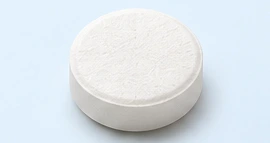
Illustrative rendering. Actual products may look different.
VitaminCommon Uses ForEnergy & Fatigue
- When low B6 contributes to anemia. Vitamin B6 helps make hemoglobin. Replacing a shortage addresses one possible reason for tiredness. [1]
How and Safety
Helps enzymes process amino acids and supports neurotransmitter and hemoglobin production. [1]
Add up B6 in multivitamins, B-complex products and other supplements before choosing a serving. [1]
Check the amount and duration of use even when the label describes the form as “active.” High doses can still cause harm. [1]
Excess supplemental B6 can damage peripheral nerves. Check use with antiseizure medicines; stop and seek advice for tingling or numbness. [1]
Additional Ingredient Information: Common or Studied Dosage, Safety & Toxicity
Use-specific Evidence & Context
Sources for these use-case reasons
Common Uses & Evidence
Expanded uses — evidence context: Pregnancy-nausea studies used pyridoxine. Use that form name when discussing the options with a prenatal clinician. High supplemental B6 can injure nerves; do not interpret a normal nerve-function role as treatment for unexplained neuropathy.
B6 intake: A standard supplemental source. [1]
Dose and duration matter more than an unsupported absorption ranking. [1][2]
Initial source-led summary. Specific clinical indications, products and doses require review.
Taking supplements together
References
Form Type
Common supplemental vitamin B6 form. [1]
Bioavailability & Absorption
No substantial absorption difference among supplemental B6 forms is established in NIH's review. [1]
Common or Studied Dosage
RDA / daily intake: Adults 19–50: 1.3 mg/day; women 51+: 1.5 mg/day; men 51+: 1.7 mg/day. Includes food and supplements. Pregnancy: 1.9 mg/day; breastfeeding: 2.0 mg/day. [2]
Typical supplemental amounts sold: Reviewed standalone labels include 25 mg tablets (25–50 mg/day) (Solgar B6 25 mg — product label), 50 mg/day (Solgar B6 50 mg — product label) and 100 mg/day (Nature Made B6 100 mg — product label). These are manufacturer directions, not a market-wide average or an individual recommendation.
Dose studied for a particular use: Doses depend on the condition and treatment context. The general nutrition sources cited here do not establish a single therapeutic dose for everyone. [1]
Upper limit: U.S. adult upper limit: 100 mg/day; EFSA adult upper limit: 12 mg/day. Both include all sources. These are safety limits, not suggested doses; higher-dose label directions may exceed a limit. See Safety & Toxicity below. [2]
Vitamin B6 — Daily nutritional intake
Recommended amounts include food and supplements together. These are nutritional reference amounts; form-specific supplemental guidance is listed separately.
Pregnancy or breastfeeding: Consult your physician before taking any supplements.
| Life stage | Recommended daily amount | Upper limit per day† |
|---|---|---|
| 0–6 months* | 0.1 mg | Not established |
| 7–12 months* | 0.3 mg | Not established |
| 1–3 years | 0.5 mg | 30 mg |
| 4–8 years | 0.6 mg | 40 mg |
| 9–13 years | 1 mg | 60 mg |
| 14–18 years — male | 1.3 mg | 80 mg |
| 14–18 years — female | 1.2 mg | 80 mg |
| 19–50 years | 1.3 mg | 100 mg |
| 51+ years — male | 1.7 mg | 100 mg |
| 51+ years — female | 1.5 mg | 100 mg |
RDA = Recommended Dietary Allowance. * Infant values marked with an asterisk are Adequate Intakes (AI).
† These are U.S. upper limits. NIH also reports a lower EFSA adult limit of 12 mg/day, with lower limits for children. Excess supplemental B6 can cause nerve injury; consult local guidance. Upper limits are not target doses or a guarantee of safety.
“Not established” does not mean unlimited intake is safe. Consult a clinician about supplementation for infants, medical conditions or deficiency treatment.
These nutritional requirements apply across B6 forms. Long-term high supplemental intakes can cause nerve injury; see Safety and Toxicity, including the different US and European upper limits.
Source: NIH Office of Dietary Supplements — Vitamin B6. Upper-limit references checked November 1, 2026.
Interactions
Some seizure medicines, cycloserine and theophylline can affect B6 status. High-dose pyridoxine may lower phenytoin or phenobarbital levels. Discuss B6 supplementation with the prescriber rather than adjusting treatment yourself. [1]
Side Effects
General nutrient guidance; not a form-specific treatment dose or finding.
Excess supplemental B6 can cause peripheral neuropathy; count B6 from combined products. [2]
Safety & Toxicity
Upper limit: U.S.: 100 mg/day for adults; EFSA: 12 mg/day for adults, from all sources. These limits are not recommended doses or guarantees of safety. [2]
Excess supplemental B6 can cause peripheral nerve damage. Count B6 across multivitamins, B-complex products and other supplements. Tingling, burning or numbness warrants stopping the supplement and obtaining medical advice. [1] [2]
Notes
Research draft; no numerical absorption rating assigned.
How and Safety — Details & Sources
U.S. and European adult limits differ. The “active” P5P label should not be used to bypass the applicable intake limit.
Sources for How and Safety
Common OTC strength — label references
Selected examples of marketed strengths; not dosing recommendations. Formulations and availability vary by country.
Further Form Considerations
Adult daily intake: Age 19–50: 1.3 mg/day; age 51+: men 1.7 mg, women 1.5 mg (food + supplements).
Avoid stacking high-dose B6 products; neuropathy is a key concern. [2]
Calcium Pantothenate
Common supplemental pantothenic-acid form. [1]

Illustrative rendering. Actual products may look different.
VitaminCommon Uses ForEnergy & Fatigue
- When B5 is low. Replacing vitamin B5 can help with fatigue caused by a severe shortage. [1]
Evidence: Most foods supply some B5. Deficiency is rare and usually occurs alongside severe malnutrition. [1]
How and Safety
Helps make coenzyme A, which cells use to process fats and other nutrients for energy. [1]
Follow the label; distinguish nutritional pantothenic acid from pantethine products studied for blood lipids. [1]
Large doses of pantothenic acid can cause diarrhea and stomach upset. No upper limit is established. [1]
Additional Ingredient Information: Common or Studied Dosage, Safety & Toxicity
Use-specific Evidence & Context
Sources for these use-case reasons
Most foods supply some B5. Deficiency is rare and usually occurs alongside severe malnutrition. [1]
Common Uses & Evidence
Expanded uses — evidence context: Vitamin B5 supplies the building blocks for coenzyme A. Pantethine is the particular form studied for cholesterol. Small pantethine studies suggest lipid changes, but these findings do not apply to calcium pantothenate.
B5 intake: A common nutrient source. [1]
Lack of comparison data is different from proof that all forms are identical. [1]
Initial source-led summary. Specific clinical indications, products and doses require review.
References
Form Type
Common supplemental pantothenic-acid form. [1]
Bioavailability & Absorption
Comparative absorption studies against pantethine are not available in the NIH review. [1]
Common or Studied Dosage
General nutrient guidance; not a form-specific treatment dose or finding.
Daily nutritional requirement: AI: 5 mg/day. [2]
Supplemental amount: Choose the amount needed to close a dietary gap or follow an assessed clinical purpose; the daily requirement includes food. [2]
Upper limit — not a suggested dose: No general UL established. See Safety and Toxicity below. [2]
Pantothenic acid (B5) — Daily nutritional intake
Recommended amounts include food and supplements together. These are nutritional reference amounts; form-specific supplemental guidance is listed separately.
Pregnancy or breastfeeding: Consult your physician before taking any supplements.
| Life stage | Recommended daily amount |
|---|---|
| 0–6 months | 1.7 mg |
| 7–12 months | 1.8 mg |
| 1–3 years | 2 mg |
| 4–8 years | 3 mg |
| 9–13 years | 4 mg |
| 14–18 years | 5 mg |
| 19+ years | 5 mg |
AI = Adequate Intake; used when an RDA has not been established.
No established upper limit does not mean unlimited intake is safe. Consult a clinician about supplementation for infants, medical conditions or deficiency treatment.
Source: NIH Office of Dietary Supplements — Pantothenic acid (B5). Upper-limit references checked November 1, 2026.
Interactions
NIH ODS reports no known clinically relevant medication interactions for pantothenic acid. This describes vitamin B5 itself; other ingredients in a combination product need their own check.
Source: NIH ODS — Pantothenic Acid.
Other supplements to check
Biotin and pantothenic acid. Biotin and pantothenic acid use the same transporter for uptake. Very large supplemental amounts could compete. The practical effect at ordinary dietary intakes is uncertain. Source
Side Effects
Very high pantothenic-acid doses can cause stomach upset and diarrhea. [2]
Safety & Toxicity
NIH reports a generally low toxicity potential, but very high doses can cause digestive problems. High-dose products are not needed merely to meet ordinary B5 requirements. [2]
Notes
Research draft; no numerical absorption rating assigned.
How and Safety — Details & Sources
Pantethine research does not establish that ordinary vitamin B5 supplementation lowers cholesterol; the form and studied amount matter.
Sources for How and Safety
Common OTC strength — label references
Selected examples of marketed strengths; not dosing recommendations. Formulations and availability vary by country.
Further Form Considerations
Adult daily intake: 5 mg/day (food + supplements; adequate intake).
No absorption superiority score assigned.
Caffeine — Measured-Dose Preparations
Stimulant

Illustrative image; product appearance varies.
Other SupplementCommon Uses ForEnergy & Fatigue
- Staying alert. Caffeine can help you feel more awake and respond faster on attention tasks. [1]
- Sustaining effort. On a long run or bike ride, caffeine can make the effort feel more manageable. [1]
Evidence: If a full cup leaves you jittery, try a smaller pour or half-caf. Moving caffeine earlier in the day can help protect sleep. [1] Caffeine and attention.
How and Safety
Caffeine blocks adenosine receptors, reducing the brain’s normal tiredness signal. This increases alertness and can reduce perceived effort during exercise, but does not replace sleep. [1]
If a full cup leaves you jittery, try a smaller pour or half-caf. If coffee keeps you awake at night, move it earlier in the day. Tea also contains caffeine and usually delivers less per cup. Include caffeine from medicines, supplements and other drinks when counting your daily total. Caffeine in everyday drinks
Do not measure servings from pure caffeine powder or combine multiple stimulant products. [2]
Additional Ingredient Information: Use-specific Evidence & Context
Use-specific Evidence & Context
Sources for these use-case reasons
If a full cup leaves you jittery, try a smaller pour or half-caf. Moving caffeine earlier in the day can help protect sleep. [1] Caffeine and attention.
Common Uses & Evidence
Long-term studies have linked regular coffee drinking with lower rates of cardiovascular disease. A study following more than 130,000 adults also linked moderate caffeinated coffee intake with fewer dementia diagnoses later in life. These findings describe coffee-drinking habits over time. Whether caffeine itself accounts for them is still an open question.
Coffee and heart health · Coffee and dementia risk
L-theanine may help ease the on-edge feeling caffeine gives some people. One small trial found less anxiety with the combination. Two trials that specifically asked people how jittery they felt found no clear reduction.
L-theanine with caffeine · Anxiety trial · Jitter ratings · Jitter and tension ratings
Taking supplements together
Taurine and caffeine. A controlled study compared caffeine, taurine, their combination and placebo on attention tasks. Effects varied by task. Taurine in an energy drink is no reason to overlook the total caffeine on the label. Source 1 · Source 2
Caffeine and citrulline malate for training. In a crossover trial of 35 strength-trained adults, participants completed more squat and bench-press repetitions after caffeine, both alone and with citrulline malate, than after placebo. Adding citrulline malate produced no clear extra benefit on those tests. Source
Responses vary; more does not necessarily work better. [1]
References
Form Type
Stimulant
Bioavailability & Absorption
No evidence-based comparative absorption score assigned.
Interactions
Check caffeine use with a pharmacist if you take stimulants, certain antibiotics, asthma medicines or heart medicines. Some medicines and energy products already contain caffeine, so review the combined amount. Mixing caffeine with alcohol can mask how impaired you feel without removing the impairment. [2]
Other supplements to check
Caffeine in blends. Some green tea extracts and energy blends contain caffeine. Add the labeled caffeine across products and drinks when deciding how much to use. Check for other caffeine sources such as guarana on blend labels. Source 1 · Source 2
Side Effects
Too much caffeine can cause jitteriness, trouble sleeping, headache, dizziness, anxiety or a fast heartbeat. Sensitivity varies. Stopping regular caffeine suddenly can temporarily cause headache, tiredness and irritability. [2]
How and Safety — Details & Sources
The mechanism describes how an ingredient could work. Human studies can tell us which benefits people experience with a particular preparation.
Read the Safety & Toxicity and Interactions sections, where available, for further precautions. The preparation and other ingredients matter.
How and Safety — Sources
Further Form Considerations
Count caffeine from every source.
Visual References
Development visual references. These generic images do not identify the chemical composition or appearance of this specific form. Verification is pending.
Creatine Monohydrate
Sports nutrition compound
Representative illustration. Product appearance varies.
Other SupplementCommon Uses ForEnergy & Fatigue
- Short bursts of effort. Creatine helps muscles replenish energy between hard efforts, such as repeated sprints or sets of lifting. [1]
- Training over time. Being able to do a little more work during strength training can support gains in strength. [1]
Evidence: The research here concerns exercise performance. It answers a different question from why someone feels tired throughout the day. [1]
How and Safety
Creatine increases muscle stores of phosphocreatine, which helps rapidly regenerate the energy molecule ATP. This supports repeated short bursts of demanding exercise and can improve training gains over time. [1]
Check blend ingredients: stimulant-containing pre-workouts have additional considerations beyond plain creatine. [2]
Additional Ingredient Information: Common or Studied Dosage, Safety & Toxicity
Use-specific Evidence & Context
Sources for these use-case reasons
The research here concerns exercise performance. It answers a different question from why someone feels tired throughout the day. [1]
Common Uses & Evidence
Evidence is stronger for intermittent intense activity than for endurance. [1]
Taking supplements together
Protein and creatine retention. In a short human study, creatine taken with protein and carbohydrate increased whole-body creatine retention versus creatine with a smaller carbohydrate serving. The comparison measured retention, so it does not tell us how much extra strength a shake would produce. Source
References
Form Type
Sports nutrition compound
Bioavailability & Absorption
No evidence-based comparative absorption score assigned.
Common or Studied Dosage
Common maintenance amount: 3–5 g/day in adult exercise protocols. Some protocols first use 20 g/day in divided portions for 5–7 days. [2]
Interactions
Evidence on combining creatine and caffeine is mixed. Mayo Clinic notes that caffeine might reduce creatine’s effect, but more research is needed; this should not be presented as a proven dangerous interaction for everyone. People with Parkinson’s disease should discuss the combination with their treating team because findings from that population raise a separate concern. [3]
Safety & Toxicity
Water-related weight gain is common. Medical conditions and long-term use require an individual assessment. [2]
How and Safety — Details & Sources
The mechanism describes how an ingredient could work. Human studies can tell us which benefits people experience with a particular preparation.
Read the Safety & Toxicity and Interactions sections, where available, for further precautions. The preparation and other ingredients matter.
How and Safety — Sources
Protein — Whey and Plant Preparations
Dietary protein

Representative illustration. Product appearance varies.
Other SupplementCommon Uses ForEnergy & Fatigue
How and Safety
Protein is digested into amino acids used to build and repair tissues, including muscle. Adequate protein and resistance exercise work together to stimulate muscle protein synthesis. [1]
Use to fill a food-intake gap, mixing as directed; spread protein-containing meals or servings through the day. [1]
Choose a source that suits your allergies and coordinate timing with your prescriber if you use levodopa. [2]
Additional Ingredient Information: Safety & Toxicity
Use-specific Evidence & Context
Sources for these use-case reasons
Common Uses & Evidence
Adequate total protein matters; supplements are optional when food provides enough. [1]
Taking supplements together
Complete protein and amino acid blends. Complete proteins already supply all nine essential amino acids, including the three branched-chain amino acids. Compare what your protein powder supplies before adding an EAA or BCAA blend for the same goal. Source 1 · Source 2
References
Form Type
Dietary protein
Bioavailability & Absorption
No evidence-based comparative absorption score assigned.
Interactions
Dietary protein can reduce levodopa absorption and its effect in some people with Parkinson’s disease. If you take levodopa, discuss protein-powder timing with your treating team, particularly if doses seem less effective after protein intake. Do not reduce needed nutrition or change medication dosing on your own; the protein effect does not occur in everyone. [3]
Safety & Toxicity
General nutrient guidance; not a form-specific treatment dose or finding.
More than needed does not automatically add benefit. [1]
How and Safety — Details & Sources
The mechanism describes how an ingredient could work. Human studies can tell us which benefits people experience with a particular preparation.
Read the Safety & Toxicity and Interactions sections, where available, for further precautions. The preparation and other ingredients matter.
How and Safety — Sources
Further Form Considerations
Check source and dietary suitability.
Asian Ginseng — Panax Ginseng Root
Botanical root preparation

Botanical illustration
HerbCommon Uses ForEnergy & Fatigue
- General tiredness. Some human studies suggest a small improvement in how tired people feel with Asian ginseng root. [1]
Evidence: In a four-week trial of 90 adults with unexplained chronic fatigue, a ginseng extract improved mental-fatigue ratings compared with placebo. The total score on the same questionnaire showed no clear difference. Read the trial. [1]
How and Safety
Ginseng contains ginsenosides that influence nerve, immune and metabolic signaling in experimental studies. These proposed actions may relate to fatigue or glucose effects, but human responses vary between extracts. [1]
Use directions for Panax ginseng specifically; avoid late-day use if it disrupts your sleep. [3]
Review potential interactions if you take diabetes medicines or warfarin. [2]
Can cause insomnia and affect blood sugar or clotting. Review diabetes medicines and warfarin; pregnancy use may be unsafe. [2]
Additional Ingredient Information: Safety & Toxicity
Use-specific Evidence & Context
Sources for these use-case reasons
In a four-week trial of 90 adults with unexplained chronic fatigue, a ginseng extract improved mental-fatigue ratings compared with placebo. The total score on the same questionnaire showed no clear difference. Read the trial. [1]
Common Uses & Evidence
Researchers have studied whether specific Asian ginseng extracts help fatigue and performance on mental tasks. Most studies followed small groups for a short time. They cannot answer a long-term aging question. [1]
Taking supplements together
Ginkgo and Asian ginseng. A small crossover study in healthy adults compared ginkgo, Asian ginseng, their combination and placebo on memory and attention tasks. Effects depended on the task. This short-term study does not establish prevention of memory decline. Source
References
Form Type
Botanical root preparation
Bioavailability & Absorption
No evidence-based comparative absorption score assigned.
Interactions
Medication check: Asian ginseng may affect blood sugar and blood clotting. If you use diabetes medicines or warfarin, have a pharmacist or clinician review the combination before starting it; studies of Asian ginseng with warfarin have produced mixed results.
Other medicines: Possible interactions with blood-pressure medicines, statins and some antidepressants remain uncertain. Review your specific product and medication list rather than assuming every ginseng preparation behaves alike.
Sources: NCCIH: Asian Ginseng; NCCIH: Herb–Drug Interactions. Reviewed October 24, 2026.
Safety & Toxicity
General nutrient guidance; not a form-specific treatment dose or finding.
Insomnia is common. Blood clotting, blood sugar and autoimmune conditions require review; pregnancy use may be unsafe. [1]
How and Safety — Details & Sources
The mechanism describes how an ingredient could work. Human studies can tell us which benefits people experience with a particular preparation.
Read the Safety & Toxicity and Interactions sections, where available, for further precautions. The preparation and other ingredients matter.
How and Safety — Sources
Further Form Considerations
Can cause insomnia and affect blood sugar or clotting. Review diabetes medicines and warfarin; pregnancy use may be unsafe.
Safety sources: 1
CoQ10 — Oral Preparations
Cellular cofactor supplement
Representative illustration. Product appearance varies.
Other SupplementCommon Uses ForEnergy & Fatigue
- Ongoing fatigue. People taking CoQ10 reported less fatigue on average than those taking placebo in a review of 13 trials. [1]
Evidence: The trials included people with different health conditions. The average result leaves open how much difference someone with a particular cause of fatigue might notice. [1]
How and Safety
CoQ10 carries electrons within mitochondria, helping cells produce the energy molecule ATP. It also acts as an antioxidant in cell membranes, explaining interest in tissues with high energy demands such as the heart. [1]
Use the directions for the specific formulation; review the plan with your care team when used alongside heart treatment. [3]
Do not replace prescribed heart treatment or add CoQ10 to warfarin without prescriber review. [2]
May interact with warfarin, insulin and some cancer treatments. Digestive effects or mild insomnia can occur. [2]
Additional Ingredient Information: Safety & Toxicity
Use-specific Evidence & Context
Sources for these use-case reasons
The trials included people with different health conditions. The average result leaves open how much difference someone with a particular cause of fatigue might notice. [1]
Common Uses & Evidence
NCCIH describes heart-failure evidence as inconclusive and overall evidence as not supporting statin-muscle-pain relief. [1]
Taking supplements together
A migraine formula. A trial of a formula containing riboflavin, magnesium and CoQ10 found less headache intensity and interference with daily life than placebo. The difference in migraine days, the main outcome, was inconclusive. The study assessed the whole formula. Source
References
Form Type
Cellular cofactor supplement
Bioavailability & Absorption
No evidence-based comparative absorption score assigned.
Interactions
Medicines to review: CoQ10 may interact with warfarin and insulin. It may also be unsuitable alongside some cancer treatments. Ask your pharmacist or treatment team to check the specific combination before starting or stopping CoQ10; do not adjust prescribed medicines yourself.
Source: NCCIH — Coenzyme Q10. Checked October 24, 2026.
Side Effects
CoQ10 can cause digestive discomfort or difficulty sleeping. NCCIH reports no serious side effects in the research it summarizes; this does not establish safety for every product or individual.
Source: NCCIH — Coenzyme Q10.
Safety & Toxicity
General nutrient guidance; not a form-specific treatment dose or finding.
Can interact with warfarin, insulin and some cancer treatments. Mild insomnia or digestive effects may occur. [1]
How and Safety — Details & Sources
The mechanism describes how an ingredient could work. Human studies can tell us which benefits people experience with a particular preparation.
Read the Safety & Toxicity and Interactions sections, where available, for further precautions. The preparation and other ingredients matter.
How and Safety — Sources
Further Form Considerations
May interact with warfarin, insulin and some cancer treatments. Digestive effects or mild insomnia can occur.
Safety sources: 1
Ubiquinol — Reduced Coenzyme Q10
Ubiquinol, the reduced form of coenzyme Q10
Illustrative image; product appearance varies.
Other SupplementCommon Uses ForEnergy & Fatigue
Energy and fatigue: Ubiquinol is involved in cellular energy transfer. A small randomized chronic-fatigue study reported benefits on selected measures, providing preliminary support for targeted fatigue research rather than a universal energy boost. Trial.
Heart-health context: It is a form of CoQ10. Much of the broader CoQ10 literature is not specific to ubiquinol, and findings should not automatically be transferred between preparations. CoQ10 is not a replacement for prescribed heart treatment. NCCIH.
How and Safety
Ubiquinol is involved in cellular energy transfer.
Medication interactions: CoQ10 can interact with warfarin and insulin and may be incompatible with some cancer treatments. Warfarin users need prescriber-directed monitoring when starting or stopping it. Evidence does not support routinely promising relief of statin-associated muscle pain. NCCIH.
Potential combinations: CoQ10 and selenium have complementary biological roles. A small uncontrolled combination study in ME/CFS reported improvement, but it could not show that the pair outperforms either ingredient alone. This is preliminary combination evidence, not established synergy. Count selenium from all products before adding more. Pilot study.An oil-based formulation or food containing fat can support practical use of this fat-soluble compound; there is no established need to buy an additional fish-oil supplement for that purpose.Medication interactions: CoQ10 can interact with warfarin and insulin and may be incompatible with some cancer treatments. Warfarin users need prescriber-directed monitoring when starting or stopping it. Evidence does not support routinely promising relief of statin-associated muscle pain. NCCIH.
Additional Ingredient Information: Common or Studied Dosage, Safety & Toxicity
Use-specific Evidence & Context
Potential combinations: CoQ10 and selenium have complementary biological roles. A small uncontrolled combination study in ME/CFS reported improvement, but it could not show that the pair outperforms either ingredient alone. This is preliminary combination evidence, not established synergy. Count selenium from all products before adding more. Pilot study.
An oil-based formulation or food containing fat can support practical use of this fat-soluble compound; there is no established need to buy an additional fish-oil supplement for that purpose.
Medication interactions: CoQ10 can interact with warfarin and insulin and may be incompatible with some cancer treatments. Warfarin users need prescriber-directed monitoring when starting or stopping it. Evidence does not support routinely promising relief of statin-associated muscle pain. NCCIH.
References
Common Uses & Evidence
Energy and fatigue: Ubiquinol is involved in cellular energy transfer. A small randomized chronic-fatigue study reported benefits on selected measures, providing preliminary support for targeted fatigue research rather than a universal energy boost. Trial.
Heart-health context: It is a form of CoQ10. Much of the broader CoQ10 literature is not specific to ubiquinol, and findings should not automatically be transferred between preparations. CoQ10 is not a replacement for prescribed heart treatment. NCCIH.
References
Form Type
Ubiquinol, the reduced form of coenzyme Q10
Bioavailability & Absorption
Ubiquinol and ubiquinone interconvert in the body. The oil carrier and formulation also affect absorption; a reduced-form label alone does not establish superior clinical outcomes for every product or person.
Common or Studied Dosage
Examples: 100 mg per softgel (Jarrow QH-absorb; NOW Ubiquinol). Label amounts are not individualized dosing instructions.
Interactions
Potential combinations: CoQ10 and selenium have complementary biological roles. A small uncontrolled combination study in ME/CFS reported improvement, but it could not show that the pair outperforms either ingredient alone. This is preliminary combination evidence, not established synergy. Count selenium from all products before adding more. Pilot study.
An oil-based formulation or food containing fat can support practical use of this fat-soluble compound; there is no established need to buy an additional fish-oil supplement for that purpose.
Medication interactions: CoQ10 can interact with warfarin and insulin and may be incompatible with some cancer treatments. Warfarin users need prescriber-directed monitoring when starting or stopping it. Evidence does not support routinely promising relief of statin-associated muscle pain. NCCIH.
Safety & Toxicity
Digestive upset or insomnia can occur. Treat ubiquinol and ubiquinone as overlapping CoQ10 intake, not two unrelated supplements. NCCIH.
Alternative Names
Ubiquinol; reduced CoQ10; reduced coenzyme Q10
How and Safety — Details & Sources
Combinations and interactions
Potential combinations: CoQ10 and selenium have complementary biological roles. A small uncontrolled combination study in ME/CFS reported improvement, but it could not show that the pair outperforms either ingredient alone. This is preliminary combination evidence, not established synergy. Count selenium from all products before adding more. Pilot study.
An oil-based formulation or food containing fat can support practical use of this fat-soluble compound; there is no established need to buy an additional fish-oil supplement for that purpose.
Medication interactions: CoQ10 can interact with warfarin and insulin and may be incompatible with some cancer treatments. Warfarin users need prescriber-directed monitoring when starting or stopping it. Evidence does not support routinely promising relief of statin-associated muscle pain. NCCIH.
Safety
Digestive upset or insomnia can occur. Treat ubiquinol and ubiquinone as overlapping CoQ10 intake, not two unrelated supplements. NCCIH.
Visual References
Development visual references. These generic images do not identify the chemical composition or appearance of this specific form. Verification is pending.
Frequently asked questions
What mineral form is best for energy?
Iron can improve stamina when iron-deficiency anemia is making everyday activity tiring. Magnesium also helps cells use energy from food. If you are persistently tired, ask whether a blood count or iron tests would help explain it before choosing an iron supplement.
Sources: ods.od.nih.gov · ods.od.nih.gov
Will extra B12 help me feel more energetic?
Replacing low B12 can help with weakness or tiredness caused by deficiency. If you already get enough B12, studies have found no added benefit for energy or endurance.
What if a full cup of coffee feels too strong?
Try a smaller pour or half-caf if you want some alertness with less caffeine. Consider an earlier cup if an afternoon coffee interferes with sleep.
Do I need vitamin C tablets with iron?
Vitamin C in food can help you absorb plant iron. In adults being treated for iron-deficiency anemia, a trial found similar improvements in hemoglobin with oral iron alone and with added vitamin C.
Which kind of energy does creatine support?
Think of another set of lifts or a repeated sprint. Creatine helps muscles replenish energy for short, hard efforts. Research on those efforts does not tell us why a person is tired all day.