
Explore Hyaluronic Acid
See how this form is used, what to look for on the label, and where to find it.

Hyaluronic acid helps retain water. Human trials have explored oral preparations for skin hydration and joint comfort. Oral supplements, topical products and injections involve different uses. Sources: Oral skin review · Oral joint review
See how this ingredient works with other supplements
Product-label examples help you compare available strengths. The appropriate daily amount depends on your needs; formulations and availability vary by country.
Hyaluronic Acid — Preparation Overview
Supplement preparation

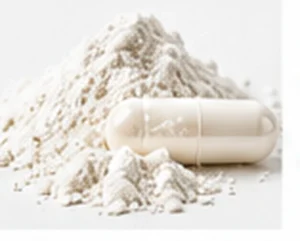
Illustrative image; product appearance varies.
Other SupplementCommon Uses
Skin hydration: Small trials suggest improved skin moisture, elasticity and some wrinkle measures with oral use.
Joint comfort: Studied for osteoarthritis pain and stiffness; results are promising but many trials use combination products.
How it relates: Hyaluronic acid binds water in tissues, providing a rationale for research into skin and joints.
Preparation distinction: Evidence for injections or topical products is separate from evidence for oral capsules; larger independent oral trials are still needed.
Sources: Oral skin review · Oral joint review
Common OTC Strengths
Look for hyaluronic acid or sodium hyaluronate and read the amount per serving. For a product you plan to take by mouth, check that the directions are for oral use.
No general maximum is stated for this preparation. Check its specific safety guidance below.
* See additional info below: Hyaluronic Acid — Preparation Overview safety details. Upper limits are safety ceilings, not intake targets. Age and health conditions affect suitability.
How and Safety
Hyaluronic acid is a water-binding component of the extracellular material around cells. Oral products are studied for skin hydration, but oral supplementation and injectable fillers have different uses and supporting evidence. [1]
Use a product labeled for oral use and follow its formulation-specific directions. [4]
Choose a product labeled for oral use; oral supplements and injectable fillers are different preparations with separate evidence. [2]
Trusted Sources
Simple tests to be certain of your individual needs.
Coming soon
Additional Ingredient Information: Common or Studied Dosage, Safety & Toxicity
Common Uses & Evidence
A seven-trial review found improvements in hydration, elasticity and wrinkle depth. Larger studies would help clarify which preparations work best. [1]
Taking supplements together
Collagen, vitamin C and hyaluronic acid
References
- 2025 meta-analysis — Oral Hyaluronic Acid and Skin Outcomes
- Oral Hyaluronan Relieves Wrinkles and Improves Dry Skin: A 12-Week Double-Blinded, Placebo-Controlled Study (2021)
- Oral sodium hyaluronate improves skin hydration, barrier function and signs of aging: a randomized, double-blind, placebo-controlled trial in 150 healthy adults
Form Type
Supplement preparation
Bioavailability & Absorption
A comparative absorption score is not assigned to this broad preparation overview.
Common or Studied Dosage
Studied oral amount: One small skin-health trial used 120 mg/day of hyaluronan for 12 weeks in 40 adults. This is an example of a studied preparation, not a universal dose for all products or purposes. Oral supplements, skin creams and injections are not interchangeable. [2]
Side Effects
Mild complaints, including changes in skin or hair condition, were reported across all groups in one trial; their frequency was comparable and did not show a supplement-related pattern. [3]
Safety & Toxicity
Oral sodium hyaluronate showed reassuring short-term tolerability in a 12-week trial of 150 healthy adults. Mild events occurred in the supplement and placebo groups, with no treatment-related pattern identified. The study excluded pregnancy, breastfeeding, diabetes and certain other conditions; it does not establish safety for those groups or longer-term use. The tested preparation was a microbial sodium-hyaluronate solution, not an injectable filler. [3]
How and Safety — Details & Sources
The mechanism describes how an ingredient could work. Human studies can tell us which benefits people experience with a particular preparation.
Read the Safety & Toxicity and Interactions sections, where available, for further precautions. The preparation and other ingredients matter.
How and Safety — Sources
- Research reference — Hyaluronic Acid: mechanism and clinical context
- 2025 meta-analysis — Oral Hyaluronic Acid and Skin Outcomes
- Oral Hyaluronan Relieves Wrinkles and Improves Dry Skin: A 12-Week Double-Blinded, Placebo-Controlled Study (2021)
- Product label example — follow directions for your own preparation
- Product label example — follow directions for your own preparation
Further Form Considerations
Visual References
Development visual references. These generic images do not identify the chemical composition or appearance of this specific form. Verification is pending.

Hyaluronic Acid — common questions
What is Hyaluronic Acid commonly used for?
Skin hydration: Small trials suggest improved skin moisture, elasticity and some wrinkle measures with oral use.
Joint comfort: Studied for osteoarthritis pain and stiffness; results are promising but many trials use combination products.
How it relates: Hyaluronic acid binds water in tissues, providing a rationale for research into skin and joints.
Preparation distinction: Evidence for injections or topical products is separate from evidence for oral capsules; larger independent oral trials are still needed.
Sources: Oral skin review · Oral joint review
How well is Hyaluronic Acid absorbed?
A comparative absorption score is not assigned to this broad preparation overview.
What should I look for on the label for Hyaluronic Acid?
Look for hyaluronic acid or sodium hyaluronate and read the amount per serving. For a product you plan to take by mouth, check that the directions are for oral use.
What side effects can Hyaluronic Acid cause?
Mild complaints, including changes in skin or hair condition, were reported across all groups in one trial; their frequency was comparable and did not show a supplement-related pattern. [3]
Who should take extra care with Hyaluronic Acid?
Oral sodium hyaluronate showed reassuring short-term tolerability in a 12-week trial of 150 healthy adults. Mild events occurred in the supplement and placebo groups, with no treatment-related pattern identified. The study excluded pregnancy, breastfeeding, diabetes and certain other conditions; it does not establish safety for those groups or longer-term use. The tested preparation was a microbial sodium-hyaluronate solution, not an injectable filler. [3]
What should I know about combining Hyaluronic Acid with other supplements?
Additional ingredient information
References
- 2025 meta-analysis — Oral Hyaluronic Acid and Skin Outcomes
- Oral Hyaluronan Relieves Wrinkles and Improves Dry Skin: A 12-Week Double-Blinded, Placebo-Controlled Study (2021)
- Oral sodium hyaluronate improves skin hydration, barrier function and signs of aging: a randomized, double-blind, placebo-controlled trial in 150 healthy adults