
Explore nutrients that support bone structure and preparations studied for joint comfort. A benefit for one goal does not automatically apply to the other.
Bone & Joint Health

Explore individual supplements for Bone & Joint Health, or start with our selected combination.
Explore individual supplements
Browse the options below, or filter by supplement type.
Common Uses ForBone & Joint Health
How and Safety
Builds bones and teeth and supports muscle contraction, nerve signals and blood clotting. [1]
Can be taken without food; use the elemental calcium amount and keep individual supplemental doses to 500 mg or less. [1]
With or without food. [1]
Ask a pharmacist how to space calcium from levothyroxine or certain antibiotics. [1]
Supplements can cause constipation and may increase kidney-stone risk. Seek advice with kidney disease or high blood calcium. [1]
Additional Ingredient Information: Common or Studied Dosage, Safety & Toxicity, Timing & Method
Use-specific Evidence & Context
Sources for these use-case reasons
Common Uses & Evidence
Expanded uses — evidence context: Food and supplements both count toward calcium intake. Estimating what you get from meals can help you decide whether a supplement would fill a gap. Calcium is part of osteoporosis care, not a replacement for indicated treatment. More calcium does not necessarily provide greater fracture protection.
Calcium intake: An option for filling dietary gaps. [2]
May be convenient with low stomach acid; not a reason to take excess calcium. [1]
Suitability for treatment requires professional review. No product endorsement or numerical ranking is assigned.
Taking supplements together
Calcium, phosphorus and vitamin D
References
Form Type
Calcium salt. [1]
Bioavailability & Absorption
Less dependent on stomach acid than carbonate; can be taken without food. [1]
Common or Studied Dosage
General nutrient guidance; not a form-specific treatment dose or finding.
Daily nutritional requirement: 1,000 mg/day at ages 19–50 and for men 51–70; 1,200 mg/day for women over 50 and all adults over 70. [2]
Supplemental amount: Choose the amount needed to close a dietary gap or follow an assessed clinical purpose; the daily requirement includes food. [2]
Upper limit — not a suggested dose: 2,500 mg/day total at ages 19–50; 2,000 mg/day from age 51. See Safety and Toxicity below. [2]
Calcium — Daily nutritional intake
Recommended amounts include food and supplements together. These are nutritional reference amounts; form-specific supplemental guidance is listed separately.
Pregnancy or breastfeeding: Consult your physician before taking any supplements.
| Life stage | Recommended daily amount | Upper limit per day† |
|---|---|---|
| 0–6 months* | 200 mg | 1,000 mg |
| 7–12 months* | 260 mg | 1,500 mg |
| 1–3 years | 700 mg | 2,500 mg |
| 4–8 years | 1,000 mg | 2,500 mg |
| 9–13 years | 1,300 mg | 3,000 mg |
| 14–18 years | 1,300 mg | 3,000 mg |
| 19–50 years | 1,000 mg | 2,500 mg |
| 51–70 years — male | 1,000 mg | 2,000 mg |
| 51–70 years — female | 1,200 mg | 2,000 mg |
| 71+ years | 1,200 mg | 2,000 mg |
RDA = Recommended Dietary Allowance. * Infant values marked with an asterisk are Adequate Intakes (AI).
† Upper limits include food, beverages and supplements. Upper limits are not target doses or a guarantee of safety.
“Not established” does not mean unlimited intake is safe. Consult a clinician about supplementation for infants, medical conditions or deficiency treatment.
Use elemental calcium on Supplement Facts, not the full weight of calcium carbonate or citrate.
Source: NIH Office of Dietary Supplements — Calcium. Upper-limit references checked November 1, 2026.
Timing & Method
May be taken with or without food. [1]
Interactions
Calcium can reduce absorption of levothyroxine, dolutegravir and some antibiotics. Follow the medicine-specific spacing instructions; calcium carbonate and levothyroxine should be separated by at least four hours. Lithium use also warrants review of blood calcium. [1]
Other supplements to check
Calcium and iron supplements. Calcium can interfere with iron absorption when both supplements are taken together. If you use both, taking them at different times is a practical option. Source
Competing Minerals
General nutrient guidance; not a form-specific treatment dose or finding.
Calcium can reduce iron absorption in some settings; follow the specific treatment plan rather than assuming every mineral needs identical spacing. [1]
Side Effects
Gas, bloating or constipation can occur. Smaller divided amounts, taking it with meals, or changing the preparation may help. [2]
Safety & Toxicity
General nutrient guidance; not a form-specific treatment dose or finding.
Adult upper limit: 2,500 mg/day total at ages 19–50; 2,000 mg/day from age 51. Calcium can interfere with some medicines, including levothyroxine and certain antibiotics. Confirm medicine-specific spacing. [2]
How and Safety — Details & Sources
The nutritional target counts food and supplements together. Meal instructions differ between citrate and carbonate.
Sources for How and Safety
Common OTC strength — label references
Selected examples of marketed strengths; not dosing recommendations. Formulations and availability vary by country.
Label sources: 1
Further Form Considerations
Adult daily intake: 1,000–1,200 mg/day, depending on age and sex (food + supplements).
Account for dietary intake and dose size. [2]
Vitamin D3 — Cholecalciferol
Fat-soluble vitamin D3. [1]
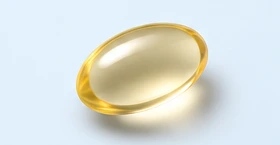
Illustrative rendering. Actual products may look different.
VitaminCommon Uses ForBone & Joint Health
How and Safety
Helps the intestine absorb calcium and phosphorus and supports bone mineralization and muscle function. [1]
Take with a meal containing some fat to improve absorption. [1]
Take with a meal containing some fat to improve absorption. [1]
Count vitamin D across all your supplements to keep track of your total daily intake. [1]
Excess can raise blood calcium and harm kidneys. Check with your clinician if taking thiazide diuretics or managing high calcium. [1]
Additional Ingredient Information: Common or Studied Dosage, Safety & Toxicity, Timing & Method
Use-specific Evidence & Context
Sources for these use-case reasons
Common Uses & Evidence
Bone health and deficiency: Adequate vitamin D supports calcium absorption and bone mineralization. Deficiency treatment and osteoporosis care depend on individual circumstances; additional vitamin D does not reliably prevent fractures in otherwise healthy adults. [1]
Conditional guideline recommendations: The Endocrine Society suggests supplementation for high-risk prediabetes alongside lifestyle changes, adults aged 75 or older because of potential mortality benefit, and pregnancy because of potential reductions in complications. Certainty varies; these are not guaranteed outcomes.
Scope: These recommendations concern vitamin D generally, not a demonstrated clinical advantage unique to D3. They do not establish routine extra supplementation for all healthy adults or a universal treatment dose. Pregnancy intake should account for prenatal products.
Endocrine Society, 2024: Vitamin D for the Prevention of Disease — recommendations 6, 8 and 10. Research update prepared October 28, 2026;
Taking supplements together
Magnesium helps process vitamin D. Magnesium helps enzymes process vitamin D. In a 12-week trial in adults with overweight or obesity, the group taking magnesium and vitamin D3 had the largest increase in blood vitamin D levels. The study measured vitamin D status, so it cannot tell us whether the combination prevented fractures. Source 1 · Source 2
References
Form Type
Fat-soluble vitamin D3. [1]
Bioavailability & Absorption
Well absorbed; generally raises and maintains serum 25(OH)D more than D2. [1]
Common or Studied Dosage
Daily nutritional requirement: 600 IU (15 mcg) for adults through age 70; 800 IU (20 mcg) from age 71. This includes food and supplements. Supplemental needs depend on intake and clinical circumstances. [1]Adult upper limit: 4,000 IU (100 mcg) daily; NOT a suggested dose. See Safety and Toxicity. [1]
Vitamin D — Daily nutritional intake
Recommended amounts include food and supplements together. These are nutritional reference amounts; form-specific supplemental guidance is listed separately.
Pregnancy or breastfeeding: Consult your physician before taking any supplements.
| Life stage | Recommended daily amount | Upper limit per day† |
|---|---|---|
| 0–6 months* | 10 mcg (400 IU) | 25 mcg (1,000 IU) |
| 7–12 months* | 10 mcg (400 IU) | 38 mcg (1,500 IU) |
| 1–3 years | 15 mcg (600 IU) | 63 mcg (2,500 IU) |
| 4–8 years | 15 mcg (600 IU) | 75 mcg (3,000 IU) |
| 9–13 years | 15 mcg (600 IU) | 100 mcg (4,000 IU) |
| 14–18 years | 15 mcg (600 IU) | 100 mcg (4,000 IU) |
| 19–50 years | 15 mcg (600 IU) | 100 mcg (4,000 IU) |
| 51–70 years | 15 mcg (600 IU) | 100 mcg (4,000 IU) |
| 71+ years | 20 mcg (800 IU) | 100 mcg (4,000 IU) |
RDA = Recommended Dietary Allowance. * Infant values marked with an asterisk are Adequate Intakes (AI).
† Upper limits include food, beverages and supplements. Upper limits are not target doses or a guarantee of safety.
“Not established” does not mean unlimited intake is safe. Consult a clinician about supplementation for infants, medical conditions or deficiency treatment.
These total vitamin D requirements apply to both D2 and D3; they are not a separate prescribed supplement dose for either form. Adult upper limit: 100 mcg (4,000 IU)/day, not a target dose.
Source: NIH Office of Dietary Supplements — Vitamin D. Upper-limit references checked November 1, 2026.
Timing & Method
Take with a meal or snack containing some fat to support absorption. [2]
Interactions
Orlistat can reduce vitamin D absorption; steroids can lower vitamin D levels. Thiazide diuretics combined with vitamin D can raise blood calcium excessively. Review high-dose vitamin D with your prescriber if taking a statin. [2]
Other supplements to check
Cod liver oil and vitamins A and D. Cod liver oil supplies omega-3 fats and can also supply preformed vitamin A and vitamin D. Check the label before adding either vitamin. This is especially important for preformed vitamin A during pregnancy. Source 1 · Source 2
Side Effects
General nutrient guidance; not a form-specific treatment dose or finding.
Excess supplementation can raise blood calcium, causing nausea, weakness, excessive thirst and kidney problems. [2]
Safety & Toxicity
Adult upper limit: 4,000 IU (100 mcg) daily from food and supplements unless medically directed. Excess can cause high calcium, kidney problems and abnormal heart rhythm. [2]
Alternative Names
Cholecalciferol. [1]
Notes
Currently no numeric bioavailability score or product endorsement assigned.
How and Safety — Details & Sources
D2 and D3 both supply vitamin D. Some medicines, including orlistat and corticosteroids, can affect vitamin D absorption or metabolism.
Sources for How and Safety
Common OTC strength — label references
Selected examples of marketed strengths; not dosing recommendations. Formulations and availability vary by country.
Further Form Considerations
Adult daily intake: 15 mcg (600 IU)/day; 20 mcg (800 IU) at age 71+ (food + supplements).
Check total dose across products; more is not necessarily better. [1]
Bioavailability Assessment & Sources
Higher comparative position among the D2 and D3 forms shown, based on the stronger and longer-lasting serum 25(OH)D response described by NIH. This is an editorial five-dot assessment, not a measured absorption percentage.
Comparison basis: Comparison limited to oral D2 versus D3. Both are well absorbed; differences in serum response and persistence support placing D3 first. Scores are not comparable across unrelated nutrients.
Vitamin K2 — MK-7
Menaquinone-7. [1]
Illustrative rendering. Actual products may look different.
VitaminCommon Uses ForBone & Joint Health
- Bone-protein function: Supplies vitamin K needed to activate proteins involved in bone metabolism. [1]
- Possible bone-loss support: Some MK-7 research suggests slower bone loss in postmenopausal women. [1]
Evidence: Bone-density findings are mixed; routine MK-7 has not been established as a fracture-prevention treatment. [1]
How and Safety
Activates proteins needed for normal blood clotting and proteins involved in bone metabolism. [1]
Keep intake consistent if you take warfarin; discuss any supplement change with your anticoagulation team. [1]
Keep vitamin K intake consistent while taking warfarin and agree supplement changes with your prescriber. [1]
All listed forms can affect vitamin K-antagonist treatment. No established upper limit does not remove this interaction. [1]
Additional Ingredient Information: Common or Studied Dosage, Safety & Toxicity, Timing & Method
Use-specific Evidence & Context
Sources for these use-case reasons
Bone-density findings are mixed; routine MK-7 has not been established as a fracture-prevention treatment. [1]
Common Uses & Evidence
Expanded uses — evidence context: Vitamin K helps the body activate clotting and bone proteins. Clinical studies use specific K1 or K2 preparations. Keep intake consistent with warfarin and coordinate changes with its prescriber; supplements are not self-treatment for bleeding.
Vitamin K intake: A K2 supplemental option. [1]
Vitamin K effects and medication interactions depend on context. [1][2]
Scope: Evidence summary. Nutrient roles do not establish additional benefits from higher-dose supplementation.
Taking supplements together
Vitamins D and K in bone. Vitamin D helps the body absorb calcium. Vitamin K activates osteocalcin, a protein involved in bone mineralization. These complementary roles are well understood. If you take warfarin, keep vitamin K intake consistent and review any K-containing blend with your care team. Source 1 · Source 2
References
Form Type
Menaquinone-7. [1]
Bioavailability & Absorption
Well absorbed in the cited comparison and persists longer in circulation than K1. [1]
Common or Studied Dosage
General nutrient guidance; not a form-specific treatment dose or finding.
Daily nutritional requirement: AI: 120 mcg/day for men; 90 mcg/day for women. [3]
Supplemental amount: Choose the amount needed to close a dietary gap or follow an assessed clinical purpose; the daily requirement includes food. [3]
Upper limit — not a suggested dose: No general UL established. See Safety and Toxicity below. [3]
Vitamin K — Daily nutritional intake
Recommended amounts include food and supplements together. These are nutritional reference amounts; form-specific supplemental guidance is listed separately.
Pregnancy or breastfeeding: Consult your physician before taking any supplements.
| Life stage | Recommended daily amount |
|---|---|
| 0–6 months | 2 mcg |
| 7–12 months | 2.5 mcg |
| 1–3 years | 30 mcg |
| 4–8 years | 55 mcg |
| 9–13 years | 60 mcg |
| 14–18 years | 75 mcg |
| 19+ years — male | 120 mcg |
| 19+ years — female | 90 mcg |
AI = Adequate Intake; used when an RDA has not been established.
No established upper limit does not mean unlimited intake is safe. Consult a clinician about supplementation for infants, medical conditions or deficiency treatment.
These are overall vitamin K Adequate Intakes, not separate MK-4 or MK-7 supplement prescriptions. Infant intake values do not replace vitamin K prophylaxis at birth.
Source: NIH Office of Dietary Supplements — Vitamin K. Upper-limit references checked November 1, 2026.
Timing & Method
General nutrient guidance; not a form-specific treatment dose or finding.
For people taking warfarin, consistent intake matters; do not start or stop a K supplement without coordinated medicine review. [2]
Absorption Factors
General nutrient guidance; not a form-specific treatment dose or finding.
Fat digestion affects uptake; orlistat and bile-acid sequestrants can reduce availability. [1]
Interactions
Warfarin: Keep vitamin K intake consistent and check with the anticoagulation team before changing supplements. Some antibiotics, bile-acid-binding medicines and orlistat can affect vitamin K status. [1]
Safety & Toxicity
No UL has been established because toxicity potential is low. Warfarin interactions remain important even without a numerical upper limit. [1]
Notes
Product-specific claims and numerical ratings are not assigned.
How and Safety — Details & Sources
This warning concerns warfarin and other vitamin K antagonists; it does not mean every anticoagulant works through vitamin K.
Sources for How and Safety
Common OTC strength — label references
Selected examples of marketed strengths; not dosing recommendations. Formulations and availability vary by country.
Label sources: 1 · Superior Source K2 MK-7 100 mcg — product label
Further Form Considerations
Adult daily intake: Men: 120 mcg/day; women: 90 mcg/day (food + supplements; AI).
Longer half-life is not proof of better clinical outcomes. [1]
Magnesium Glycinate
Magnesium amino-acid chelate (bisglycinate).
Common Uses ForBone & Joint Health
How and Safety
Use the elemental magnesium amount on the label; count magnesium in other supplements and medicines. [1]
No best time for everyone is established. Follow the product label and medicine-spacing advice; the sleep trial does not prove evening superiority. [5]
Ask a pharmacist how to space magnesium from certain antibiotics or osteoporosis medicines. [1]
Excess supplemental magnesium can cause diarrhea. Kidney impairment increases the risk of dangerous magnesium buildup. [1]
Additional Ingredient Information: Common or Studied Dosage, Safety & Toxicity, Timing & Method
Use-specific Evidence & Context
Sources for these use-case reasons
Common Uses & Evidence
Expanded uses — evidence context: Some people use magnesium for migraine prevention. Check which magnesium preparation a trial used before applying its results to glycinate. Research amounts may exceed supplemental upper limits. Kidney disease increases the risk from excess magnesium. A four-week trial in 155 adults with poor sleep found a small improvement with magnesium bisglycinate; longer-term and objective sleep benefits remain uncertain.
NIH nutrient evidence · Additional clinical-use evidence.
Common Uses: What the Evidence Shows
These are common reasons people consider magnesium glycinate. Normal nutrient functions, results for other magnesium forms, and benefits demonstrated specifically for glycinate are different kinds of evidence.
1. Correcting deficiency and supporting normal energy production
The evidence: Magnesium participates in more than 300 enzyme systems and is needed for normal energy production, muscle function, and nerve signaling. Deficiency can cause fatigue and weakness, but those symptoms alone do not establish that magnesium is low. [1]
Why consider glycinate? Glycinate is an option for supplying magnesium when digestive comfort matters. It is generally less likely to cause diarrhea than some other forms, although individual tolerance varies. [MSK — forms and tolerability] A small crossover study in 12 people who had intestinal resections found no overall difference in absorption between diglycinate and oxide, although some participants absorbed the chelate better and it was better tolerated. The researchers proposed that some may be absorbed intact through a peptide pathway. These findings do not establish a universal absorption percentage or superiority in healthy adults. [2]
2. Muscle function, cramps, and physical recovery
The evidence: Adequate magnesium supports normal muscle contraction and nerve function. [1] Trials of supplements for nighttime cramps have produced different results: a 2017 oxide trial found no advantage over placebo, while a 2021 oxide-monohydrate trial reported improvement. These results concern other formulations and do not establish that glycinate prevents cramps or speeds exercise recovery. [3], [4]
What is specific to glycinate? A physiological explanation involving magnesium and glycine is not, by itself, proof of an added clinical benefit from their combination. A glycinate-specific recovery or cramp benefit should not be assumed from the studies cited here.
3. Sleep quality, relaxation, and stress
Early research suggests a modest sleep benefit. In a four-week trial involving adults who reported poor sleep, magnesium bisglycinate produced a small improvement in insomnia symptoms compared with placebo. Further research will help clarify who benefits most. The study did not compare glycinate with other magnesium forms. [5]
Tolerability and individual response: Glycinate is not guaranteed to be free of digestive side effects. Supplemental magnesium can cause diarrhea, nausea, and cramping; kidney impairment increases the risk of magnesium accumulation. [1] Results may depend on the individual, product, and reason for use.
References
- NIH Office of Dietary Supplements — Magnesium
- Magnesium diglycinate versus oxide in ileal-resection patients (1994)
- Magnesium oxide and nocturnal leg cramps — randomized trial (2017)
- Magnesium oxide monohydrate and nocturnal leg cramps — trial (2021)
- Magnesium bisglycinate and self-reported sleep — randomized trial (2025)
Taking supplements together
Magnesium and thiamin. Magnesium helps thiamin-dependent enzymes release energy from food. When someone with a serious thiamin deficiency responds poorly to treatment, clinicians also consider magnesium status. Source
Magnesium helps process vitamin D. Magnesium helps enzymes process vitamin D. In a 12-week trial in adults with overweight or obesity, the group taking magnesium and vitamin D3 had the largest increase in blood vitamin D levels. The study measured vitamin D status, so it cannot tell us whether the combination prevented fractures. Source 1 · Source 2
Form Type
Magnesium amino-acid chelate (bisglycinate).
Bioavailability & Absorption
Absorption evidence is limited; no universal advantage over other forms has been established. [2]
Common or Studied Dosage
RDA / daily intake: Adult men: 400–420 mg/day; adult women: 310–320 mg/day, depending on age. These totals include food and supplements; pregnancy needs differ. [1]
Typical supplemental amounts sold: Reviewed label examples provide 200 mg/day and 240 mg/day (Nature’s Bounty magnesium glycinate — product label) of elemental magnesium. These are manufacturer directions, not a market-wide average or an individual recommendation.
Dose studied for a particular use: 250 mg/day of elemental magnesium as bisglycinate for four weeks in a sleep trial; this does not establish a universal dose. [5]
Upper limit: 350 mg/day of elemental magnesium from supplements and medicines for adults; magnesium in food is excluded. This is a safety limit, not a suggested dose. See Safety & Toxicity below. [1]
Magnesium — Daily nutritional intake
Recommended amounts include food and supplements together. These are nutritional reference amounts; form-specific supplemental guidance is listed separately.
Pregnancy or breastfeeding: Consult your physician before taking any supplements.
| Life stage | Recommended daily amount | Upper limit per day† |
|---|---|---|
| 0–6 months* | 30 mg | Not established |
| 7–12 months* | 75 mg | Not established |
| 1–3 years | 80 mg | 65 mg |
| 4–8 years | 130 mg | 110 mg |
| 9–13 years | 240 mg | 350 mg |
| 14–18 years — male | 410 mg | 350 mg |
| 14–18 years — female | 360 mg | 350 mg |
| 19–30 years — male | 400 mg | 350 mg |
| 19–30 years — female | 310 mg | 350 mg |
| 31–50 years — male | 420 mg | 350 mg |
| 31–50 years — female | 320 mg | 350 mg |
| 51+ years — male | 420 mg | 350 mg |
| 51+ years — female | 320 mg | 350 mg |
RDA = Recommended Dietary Allowance. * Infant values marked with an asterisk are Adequate Intakes (AI).
† Upper limits apply only to magnesium from supplements and medicines, not naturally occurring magnesium in food. This is why an upper limit can be lower than the recommended total intake. Upper limits are not target doses or a guarantee of safety.
“Not established” does not mean unlimited intake is safe. Consult a clinician about supplementation for infants, medical conditions or deficiency treatment.
Use the elemental magnesium amount on Supplement Facts, not the weight of the entire glycinate, citrate or other compound. Adult supplemental upper limit: 350 mg/day from supplements and medicines; this is not a target dose.
Source: NIH Office of Dietary Supplements — Magnesium. Upper-limit references checked November 1, 2026.
Timing & Method
No best time for everyone is established. Follow the product label and medicine-spacing advice; the sleep trial does not prove evening superiority. [5]
Absorption Factors
A small intestinal-resection study does not establish absorption in healthy adults or a guaranteed intact-absorption pathway. [2]
Interactions
Magnesium can reduce absorption of some antibiotics and oral bisphosphonates. Ask a pharmacist about medicine-specific spacing. Diuretics and long-term acid-reducing medicines can affect magnesium levels. [1]
Competing Minerals
Very high zinc intake can affect magnesium balance; a universal rule to separate all minerals is not established here. [1]
Side Effects
Glycinate is generally less likely to cause diarrhea than some other forms, but loose stools, nausea, and abdominal cramps can still occur, particularly with higher amounts. Digestive comfort depends on the amount taken, the product, and individual response. [MSK — forms and tolerability] [1]
Safety & Toxicity
Upper limit: 350 mg/day of elemental magnesium from supplements and medicines for adults, excluding food. Clinician-supervised treatment may differ. [1]
Impaired kidney function increases the risk of magnesium accumulation. Include magnesium-containing medicines when reviewing total supplemental intake. [1]
Elemental Content
Look for the amount of magnesium per serving on the Supplement Facts panel. This is the elemental magnesium amount—not the weight of the entire magnesium-glycinate compound. Check how many capsules or scoops make up one serving, and compare products using elemental magnesium rather than the larger compound-weight number. [1]
Alternative Names
Notes
Research checked October 22, 2026. No numerical absorption score or product endorsement has been assigned.
How and Safety — Details & Sources
NIH describes spacing for tetracycline/quinolone antibiotics and oral bisphosphonates. The exact schedule should follow the medicine label or pharmacist’s advice.
Magnesium and nerve signaling
Magnesium normally limits NMDA-receptor channel activity at resting nerve-cell voltages; this block eases when the cell becomes electrically activated. Laboratory work in rat brain tissue and experimental receptors also found that magnesium can enhance responses to GABA, an inhibitory nerve messenger. These mechanisms provide a rationale for studying magnesium for stress and relaxation. [3] [4]
Mechanistic findings do not establish that taking extra magnesium relieves anxiety when magnesium status is already adequate. Clinical studies differ in formulation, participants and outcomes; findings are promising in some groups, but benefits independent of correcting a shortfall remain uncertain. Glycinate has not been established as the best form for anxiety. [5]
Sources for How and Safety
- NIH ODS — Magnesium
- Upper-limit reference
- Nowak et al. (1984) — Magnesium regulation of NMDA channels in mouse neurons
- Möykkynen et al. (2001) — Magnesium effects on native and experimental GABA(A) receptors
- Rawji et al. (2024) — Supplemental magnesium, anxiety and sleep: systematic review
Common OTC strength — label references
Selected examples of marketed strengths; not dosing recommendations. Formulations and availability vary by country.
Label sources: 1
Further Form Considerations
Adult daily intake: Men: 400–420 mg/day; women: 310–320 mg/day (food + supplements).
Digestive effects remain possible. Check medicines and kidney health. [1]
Vitamin C — Ascorbic Acid
Water-soluble vitamin; ascorbic acid.

Illustrative rendering. Actual products may look different.
VitaminCommon Uses ForBone & Joint Health
How and Safety
Supports collagen production, antioxidant defenses and immune-cell function; improves absorption of iron from plant foods. [1]
Follow product directions; take with food if it upsets your stomach. [3]
With food if it upsets your stomach. [3]
High doses can cause diarrhea and cramps. Seek advice with kidney disease, recurrent stones, iron overload or cancer treatment. [1]
Additional Ingredient Information: Common or Studied Dosage, Safety & Toxicity, Timing & Method
Use-specific Evidence & Context
Sources for these use-case reasons
Common Uses & Evidence
Expanded uses — evidence context: Regular vitamin C modestly shortened colds in trials. Starting it after symptoms began produced less consistent results. The trials do not identify buffered forms as more effective.
Vitamin C intake: Helps meet needs; supports normal collagen and immune functions. [1]
Evidence boundary: Nutrient functions and deficiency correction do not establish additional benefits in people whose intake is adequate. Form comparisons below require editorial review.
Taking supplements together
References
Form Type
Water-soluble vitamin; ascorbic acid.
Bioavailability & Absorption
Absorbed similarly to vitamin C naturally present in foods; higher doses have lower fractional absorption. [1]
Common or Studied Dosage
Daily nutritional requirement: adults generally 90 mg/day for men and 75 mg/day for women; smokers need 35 mg/day more. Supplemental amount: depends on dietary intake and the reason for use. Upper limit: 2,000 mg/day total for adults; not a suggested dose. [1]
Vitamin C — Daily nutritional intake
Recommended amounts include food and supplements together. These are nutritional reference amounts; form-specific supplemental guidance is listed separately.
Pregnancy or breastfeeding: Consult your physician before taking any supplements.
| Life stage | Recommended daily amount | Upper limit per day† |
|---|---|---|
| 0–6 months* | 40 mg | Not established |
| 7–12 months* | 50 mg | Not established |
| 1–3 years | 15 mg | 400 mg |
| 4–8 years | 25 mg | 650 mg |
| 9–13 years | 45 mg | 1,200 mg |
| 14–18 years — male | 75 mg | 1,800 mg |
| 14–18 years — female | 65 mg | 1,800 mg |
| 19+ years — male | 90 mg | 2,000 mg |
| 19+ years — female | 75 mg | 2,000 mg |
RDA = Recommended Dietary Allowance. * Infant values marked with an asterisk are Adequate Intakes (AI).
† Upper limits include food, beverages and supplements. Upper limits are not target doses or a guarantee of safety.
“Not established” does not mean unlimited intake is safe. Consult a clinician about supplementation for infants, medical conditions or deficiency treatment.
People who smoke need 35 mg/day more. Count vitamin C supplied by the preparation, not the whole weight of a mineral ascorbate compound.
Source: NIH Office of Dietary Supplements — Vitamin C. Upper-limit references checked November 1, 2026.
Timing & Method
General nutrient guidance; not a form-specific treatment dose or finding.
Regular intake matters more than a proven morning-versus-evening advantage. Larger oral doses are absorbed less efficiently. [1]
Absorption Factors
General nutrient guidance; not a form-specific treatment dose or finding.
Fractional absorption falls as oral doses increase. [1]
Vitamin C and iron. A vitamin C-rich food with beans, grains or vegetables helps your body absorb their nonheme iron. In a trial of adults being treated for iron-deficiency anemia, iron tablets alone restored hemoglobin about as well as iron plus vitamin C. An extra vitamin C tablet is optional in that setting. Source 1 · Source 2
Interactions
Cancer treatment: Review vitamin C supplements with your oncology team, especially high doses.
Cholesterol medicines: One study found reduced benefit from statin-plus-niacin treatment when combined with several antioxidants, including vitamin C. This does not establish that vitamin C alone interferes with every statin.
Source: NIH ODS — Vitamin C.
Other supplements to check
High-dose antioxidants in training. Vitamins C and E support normal antioxidant defenses. High supplemental doses taken together during training can blunt some exercise adaptations. This concern applies to concentrated supplements and does not call for avoiding fruit or vegetables. Source
Side Effects
General nutrient guidance; not a form-specific treatment dose or finding.
High supplemental intakes can cause diarrhea, nausea and abdominal cramps. [1]
Safety & Toxicity
Excess can cause diarrhea or cramps. High doses need particular caution with iron-overload disorders. Adult upper limit: 2,000 mg/day total. [2]
Alternative Names
L-ascorbic acid. [1]
Notes
No numeric bioavailability score or product endorsement assigned.
How and Safety — Details & Sources
Kidney-stone findings are mixed; concerns are greater with pre-existing hyperoxaluria. Antioxidant supplements during chemotherapy or radiation need the oncology team’s advice.
Sources for How and Safety
Common OTC strength — label references
Selected examples of marketed strengths; not dosing recommendations. Formulations and availability vary by country.
Further Form Considerations
Adult daily intake: Men: 90 mg/day; women: 75 mg/day (food + supplements).
Straightforward vitamin C; compare dose and tolerance.
Preparation & Equivalency
Common vitamin C forms have not shown a consistent practical superiority over one another. Compare tolerance, dose and accompanying minerals. [2]
Bioavailability Assessment & Sources
Shared provisional band: useful vitamin C delivery at ordinary intakes, without a reliable basis for separating these common forms. The dots are not a measured percentage.
Comparison basis: Same-ingredient comparison of ascorbic acid, sodium ascorbate and calcium ascorbate. Dose and individual absorption matter; a tie avoids inventing a hierarchy.
Protein — Whey and Plant Preparations
Dietary protein

Representative illustration. Product appearance varies.
Other SupplementCommon Uses ForBone & Joint Health
How and Safety
Protein is digested into amino acids used to build and repair tissues, including muscle. Adequate protein and resistance exercise work together to stimulate muscle protein synthesis. [1]
Use to fill a food-intake gap, mixing as directed; spread protein-containing meals or servings through the day. [1]
Choose a source that suits your allergies and coordinate timing with your prescriber if you use levodopa. [2]
Additional Ingredient Information: Safety & Toxicity
Use-specific Evidence & Context
Sources for these use-case reasons
Common Uses & Evidence
Adequate total protein matters; supplements are optional when food provides enough. [1]
Taking supplements together
Complete protein and amino acid blends. Complete proteins already supply all nine essential amino acids, including the three branched-chain amino acids. Compare what your protein powder supplies before adding an EAA or BCAA blend for the same goal. Source 1 · Source 2
References
Form Type
Dietary protein
Bioavailability & Absorption
No evidence-based comparative absorption score assigned.
Interactions
Dietary protein can reduce levodopa absorption and its effect in some people with Parkinson’s disease. If you take levodopa, discuss protein-powder timing with your treating team, particularly if doses seem less effective after protein intake. Do not reduce needed nutrition or change medication dosing on your own; the protein effect does not occur in everyone. [3]
Safety & Toxicity
General nutrient guidance; not a form-specific treatment dose or finding.
More than needed does not automatically add benefit. [1]
How and Safety — Details & Sources
The mechanism describes how an ingredient could work. Human studies can tell us which benefits people experience with a particular preparation.
Read the Safety & Toxicity and Interactions sections, where available, for further precautions. The preparation and other ingredients matter.
How and Safety — Sources
Further Form Considerations
Check source and dietary suitability.
Glucosamine — Oral Preparations
Joint supplement

Illustrative image; product appearance varies.
Other SupplementCommon Uses ForBone & Joint Health
- Knee osteoarthritis symptoms: Some people try glucosamine for pain and day-to-day joint function. [1]
Evidence: Trials conflict, and several major guidelines recommend against routine use. Favorable findings mainly concern particular sulfate preparations. [1]
How and Safety
Glucosamine is a building block for compounds found in cartilage and joint fluid. Supplements are studied for joint symptoms, but supplying this building block has not consistently been shown to rebuild damaged cartilage. [1]
Check sulfate versus hydrochloride and follow that product’s directions; clinical findings are not interchangeable. [2]
Ask your prescriber before combining this with warfarin. [1]
Review warfarin because of bleeding concerns. Blood glucose can rise in some people; pregnancy safety information is limited. [1]
Additional Ingredient Information: Safety & Toxicity
Use-specific Evidence & Context
Sources for these use-case reasons
Trials conflict, and several major guidelines recommend against routine use. Favorable findings mainly concern particular sulfate preparations. [1]
Common Uses & Evidence
Trials and guidelines have reached differing conclusions; listing here is not a claim of cartilage repair. [1]
Taking supplements together
References
Form Type
Joint supplement
Bioavailability & Absorption
No evidence-based comparative absorption score assigned.
Interactions
Warfarin: Glucosamine and chondroitin supplements have been linked to increased bleeding risk in people taking warfarin. Check with the prescribing clinician before adding either ingredient, including combination joint supplements.
Blood sugar: Glucosamine can raise blood glucose in some people. If you have diabetes, discuss monitoring and your medication plan before use; this is a precaution, not a reason to change prescribed treatment yourself.
Source: NCCIH — Glucosamine and Chondroitin. Checked October 24, 2026.
Safety & Toxicity
Large osteoarthritis studies have not identified major overall safety problems, but individual precautions still matter. Glucosamine can raise blood sugar in some people, and warfarin users need a medication review because of reported bleeding concerns.
Pregnancy and breastfeeding: Safety information is limited; seek clinical guidance before supplemental use. Combination products require review of all their ingredients.
Source: NCCIH — Glucosamine and Chondroitin. Checked October 24, 2026.
How and Safety — Details & Sources
The mechanism describes how an ingredient could work. Human studies can tell us which benefits people experience with a particular preparation.
Read the Safety & Toxicity and Interactions sections, where available, for further precautions. The preparation and other ingredients matter.
How and Safety — Sources
Further Form Considerations
Review warfarin because of bleeding concerns. Blood glucose can rise in some people; pregnancy safety information is limited.
Safety sources: 1
Visual References
Development visual references. These generic images do not identify the chemical composition or appearance of this specific form. Verification is pending.
Chondroitin Sulfate
Joint supplement
Illustrative image; product appearance varies.
Other SupplementCommon Uses ForBone & Joint Health
- Hand osteoarthritis: Some evidence supports reduced pain and improved hand function. [1]
- Knee symptoms: Some studies suggest pain relief, although findings are inconsistent. [1]
Evidence: Guidelines differ: the ACR conditionally supports hand use but recommends against routine knee use. [1]
How and Safety
Chondroitin is part of cartilage’s structure and helps it resist compression. Supplemental chondroitin is studied for joint symptoms, but benefit and structural effects have been inconsistent across trials. [1]
Check whether it is standalone or combined with glucosamine, and follow the complete product’s directions. [2]
Ask your prescriber before adding this to warfarin. [1]
Review warfarin because of reported bleeding risk. Pregnancy and breastfeeding safety information is limited. [1]
Additional Ingredient Information: Safety & Toxicity
Use-specific Evidence & Context
Sources for these use-case reasons
Guidelines differ: the ACR conditionally supports hand use but recommends against routine knee use. [1]
Common Uses & Evidence
Some people with osteoarthritis reported less pain or stiffness with particular chondroitin preparations. The joint affected and the product used help explain why results vary. [1]
Taking supplements together
References
Form Type
Joint supplement
Bioavailability & Absorption
No evidence-based comparative absorption score assigned.
Interactions
Warfarin: Chondroitin has been associated with increased bleeding risk when taken with warfarin. Check with the anticoagulation team before starting or stopping it. [1]
Safety & Toxicity
Large osteoarthritis studies have not identified major overall safety problems, but warfarin-associated bleeding remains an important concern. Pregnancy and breastfeeding safety information is limited. [1]
How and Safety — Details & Sources
The mechanism describes how an ingredient could work. Human studies can tell us which benefits people experience with a particular preparation.
Read the Safety & Toxicity and Interactions sections, where available, for further precautions. The preparation and other ingredients matter.
How and Safety — Sources
Further Form Considerations
Review warfarin because of reported bleeding risk. Pregnancy and breastfeeding safety information is limited.
Safety sources: 1
Visual References
Development visual references. These generic images do not identify the chemical composition or appearance of this specific form. Verification is pending.
Curcumin — Oral Formulations
Botanical curcuminoid preparation
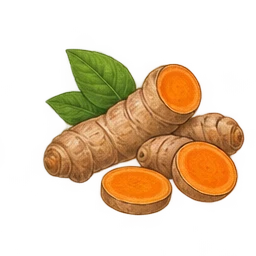
Botanical illustration
HerbCommon Uses ForBone & Joint Health
- Knee pain: Trials suggest possible relief of osteoarthritis pain. [1]
- Joint stiffness: Some studies report reduced stiffness. [1]
- Everyday movement: Function scores may improve alongside symptom relief. [1]
Evidence: The research is promising but has not established curcumin as a treatment that prevents joint damage. [1]
How and Safety
Curcumin affects several inflammation-related signals in laboratory research. These actions may contribute to symptom effects, but a mechanism or higher absorption alone does not prove a product works better. [1]
Follow the specific formulation’s directions; standard and enhanced-absorption extracts are not dose-equivalent. [1]
Compare the exact formulation when changing products; equal milligrams may differ. Review interactions if you take medicines. [2]
Additional Ingredient Information: Safety & Toxicity
Use-specific Evidence & Context
Sources for these use-case reasons
The research is promising but has not established curcumin as a treatment that prevents joint damage. [1]
Common Uses & Evidence
Trials differ in curcuminoid content and added ingredients such as piperine. Better research is needed to establish clinical benefit and the role of enhanced absorption. [1]
Taking supplements together
Curcumin and boswellia for knee comfort
References
- NCCIH — Turmeric
- Fança-Berthon et al. 2021 — Curcuminoid Pharmacokinetics by Formulation
- Cuomo et al. 2011 — Standardized Curcuminoid Mixture and Lecithin Formulation
- Shoba et al. 1998 — Piperine and Curcumin Pharmacokinetics
- Flory et al. 2021 — Curcumin Formulation Crossover Trial
- 2025 — Curcumin Formulations: Pharmacokinetic Study and Critical Reappraisal
- Turmeric
Form Type
Botanical curcuminoid preparation
Bioavailability & Absorption
Formulation-dependent. No cross-study fold-increase ranking is assigned.
Interactions
Concentrated turmeric or curcumin supplements may increase bleeding risk with anticoagulant or antiplatelet medicines; evidence includes laboratory findings and a case report. During cancer treatment, have the exact preparation checked by the oncology team. Some reported drug-metabolism effects are laboratory findings with uncertain clinical relevance, so they should not be treated as proven interactions for every formulation. [7]
Safety & Toxicity
General nutrient guidance; not a form-specific treatment dose or finding.
Digestive side effects can occur. Liver injury has been reported with some enhanced-bioavailability formulations; stop and seek care for dark urine or jaundice. [1]
How and Safety — Details & Sources
The mechanism describes how an ingredient could work. Human studies can tell us which benefits people experience with a particular preparation.
Read the Safety & Toxicity and Interactions sections, where available, for further precautions. The preparation and other ingredients matter.
How and Safety — Sources
- Memorial Sloan Kettering — Turmeric / Curcumin: mechanism and clinical context
- NCCIH — Turmeric
- Fança-Berthon et al. 2021 — Curcuminoid Pharmacokinetics by Formulation
- Cuomo et al. 2011 — Standardized Curcuminoid Mixture and Lecithin Formulation
- Shoba et al. 1998 — Piperine and Curcumin Pharmacokinetics
- Flory et al. 2021 — Curcumin Formulation Crossover Trial
- 2025 — Curcumin Formulations: Pharmacokinetic Study and Critical Reappraisal
Further Form Considerations
Review the exact formulation; enhanced absorption can also change risk.
Boswellia — Oral Resin Extracts
Botanical resin extract

Botanical illustration
HerbCommon Uses ForBone & Joint Health
- Osteoarthritis discomfort: Small studies suggest some relief of joint pain and inflammation. [1]
Evidence: Most studies are small or low quality, so the size and reliability of benefit remain uncertain. [1]
How and Safety
Boswellic acids affect enzymes and signaling pathways involved in inflammation in laboratory studies. This provides a rationale for joint-symptom research, but does not establish that an extract repairs cartilage. [1]
Use instructions for the named extract; check its boswellic-acid content rather than comparing extract weight alone. [3]
Check the specific boswellia extract and review its use with your clinician if you take blood thinners. [2]
Additional Ingredient Information: Safety & Toxicity
Use-specific Evidence & Context
Sources for these use-case reasons
Most studies are small or low quality, so the size and reliability of benefit remain uncertain. [1]
Common Uses & Evidence
Some people with knee osteoarthritis reported less pain in small trials of oral boswellia extracts. Frankincense applied to the skin involves a different route. [1]
Taking supplements together
Curcumin and boswellia for knee comfort
References
Form Type
Botanical resin extract
Bioavailability & Absorption
No evidence-based comparative absorption score assigned.
Interactions
Boswellia may add to the effects of anticoagulant or antiplatelet medicines. Laboratory studies also suggest effects on some drug transporters, but the importance of these findings in people is not established. Check with a pharmacist before combining a boswellia extract with prescription medicines, especially blood thinners. [2]
Safety & Toxicity
Oral boswellia extracts have generally been well tolerated in clinical studies, including trials using up to 1,000 mg/day for up to six months. These study amounts are not a universal dose recommendation: extracts differ. Safety of medicinal amounts during pregnancy or breastfeeding is insufficiently studied. [1]
How and Safety — Details & Sources
The mechanism describes how an ingredient could work. Human studies can tell us which benefits people experience with a particular preparation.
Read the Safety & Toxicity and Interactions sections, where available, for further precautions. The preparation and other ingredients matter.
How and Safety — Sources
Ginger — Rhizome Preparations
Botanical rhizome / extract

Botanical illustration
HerbCommon Uses ForBone & Joint Health
- Knee osteoarthritis symptoms: Oral ginger may reduce discomfort in some people. [1]
Evidence: Much of the research is low quality; ginger has not been shown to rebuild damaged cartilage. [1]
How and Safety
Gingerols and shogaols in ginger affect gut movement and nausea-related signaling in laboratory research. These actions may contribute to nausea relief, but effects depend on the preparation and cause of nausea. [1]
Follow directions for the specific oral preparation; food, tea and concentrated extracts differ in strength. [3]
Have a medication review before combining concentrated supplements with blood thinners. [2]
Additional Ingredient Information: Safety & Toxicity
Use-specific Evidence & Context
Sources for these use-case reasons
Much of the research is low quality; ginger has not been shown to rebuild damaged cartilage. [1]
Common Uses & Evidence
Pregnancy nausea evidence is more encouraging than motion-sickness evidence. Knee osteoarthritis studies are often low quality. [1]
Taking supplements together
Ginger in a joint formula. A knee osteoarthritis trial studied a formula containing ginger, turmeric extract and black pepper against naproxen. It tested the full formulation, so the study cannot identify an added benefit from ginger alone. Source
References
Form Type
Botanical rhizome / extract
Bioavailability & Absorption
No evidence-based comparative absorption score assigned.
Interactions
Ginger supplements may increase bleeding risk when combined with anticoagulants, antiplatelet medicines or NSAIDs. Potential interactions with glucose-lowering medicines and tacrolimus have also been identified, although their clinical importance is uncertain. Have a pharmacist review concentrated ginger supplements with your medication list. [2]
Side Effects
Oral ginger can cause heartburn, stomach discomfort, diarrhea, or irritation of the mouth and throat. Tolerance can vary with the preparation and amount.
Source: NCCIH — Ginger. Checked October 24, 2026.
Safety & Toxicity
Pregnancy and breastfeeding: Ginger supplements may be suitable during pregnancy, but discuss the product and amount with your pregnancy-care clinician. Safety during breastfeeding is less well studied.
Preparation matters: Many oral studies have reported acceptable tolerability. This does not establish a universal safe dose for concentrated extracts or multi-ingredient products.
Source: NCCIH — Ginger. Checked October 24, 2026.
How and Safety — Details & Sources
The mechanism describes how an ingredient could work. Human studies can tell us which benefits people experience with a particular preparation.
Read the Safety & Toxicity and Interactions sections, where available, for further precautions. The preparation and other ingredients matter.
How and Safety — Sources
Common Uses ForBone & Joint Health
- A confirmed manganese shortfall: Provides a mineral needed for normal bone formation. [1]
Evidence: Deficiency is rare, and extra manganese has not been established as a joint-pain treatment. [1]
How and Safety
Helps enzymes process nutrients, form bone and protect cells against oxidative damage. [1]
Count manganese in multivitamins before adding a separate product; deficiency is uncommon. [1]
Count manganese from all your supplements when checking your total intake. [1]
Excess can harm the nervous system. Chronic liver disease reduces manganese clearance and increases toxicity risk. [1]
Additional Ingredient Information: Common or Studied Dosage, Safety & Toxicity
Use-specific Evidence & Context
Sources for these use-case reasons
Deficiency is rare, and extra manganese has not been established as a joint-pain treatment. [1]
Common Uses & Evidence
Expanded uses — evidence context: Manganese helps enzymes build bone and process nutrients. These functions depend on an adequate intake. Deficiency is very rare, and evidence does not establish routine supplementation for bone disease or diabetes.
Nutrient intake: Supplies manganese. [2]
Excess manganese can harm the nervous system; do not assume more is better. [1]
No product endorsement or numeric absorption ranking assigned.
Taking supplements together
Iron status and manganese. The body tends to absorb more manganese when iron stores are low. This is a reason to consider iron status when reviewing manganese intake, rather than to add manganese automatically. Source
References
Form Type
Manganese salt. [1]
Bioavailability & Absorption
Comparative bioavailability data are unavailable; no overall winner established. [1]
Common or Studied Dosage
General nutrient guidance; not a form-specific treatment dose or finding.
Daily nutritional requirement: AI: 2.3 mg/day for men; 1.8 mg/day for women. [2]
Supplemental amount: Choose the amount needed to close a dietary gap or follow an assessed clinical purpose; the daily requirement includes food. [2]
Upper limit — not a suggested dose: 11 mg/day total. See Safety and Toxicity below. [2]
Manganese — Daily nutritional intake
Recommended amounts include food and supplements together. These are nutritional reference amounts; form-specific supplemental guidance is listed separately.
Pregnancy or breastfeeding: Consult your physician before taking any supplements.
| Life stage | Recommended daily amount | Upper limit per day† |
|---|---|---|
| 0–6 months | 0.003 mg | Not established |
| 7–12 months | 0.6 mg | Not established |
| 1–3 years | 1.2 mg | 2 mg |
| 4–8 years | 1.5 mg | 3 mg |
| 9–13 years — male | 1.9 mg | 6 mg |
| 9–13 years — female | 1.6 mg | 6 mg |
| 14–18 years — male | 2.2 mg | 9 mg |
| 14–18 years — female | 1.6 mg | 9 mg |
| 19–50 years — male | 2.3 mg | 11 mg |
| 19–50 years — female | 1.8 mg | 11 mg |
| 51+ years — male | 2.3 mg | 11 mg |
| 51+ years — female | 1.8 mg | 11 mg |
AI = Adequate Intake; used when an RDA has not been established.
† Upper limits include food, beverages and supplements. Upper limits are not target doses or a guarantee of safety.
“Not established” does not mean unlimited intake is safe. Consult a clinician about supplementation for infants, medical conditions or deficiency treatment.
Source: NIH Office of Dietary Supplements — Manganese. Upper-limit references checked November 1, 2026.
Absorption Factors
General nutrient guidance; not a form-specific treatment dose or finding.
Only a small proportion of dietary manganese is absorbed; iron status can influence its uptake. [1]
Iron status and manganese. The body tends to absorb more manganese when iron stores are low. This is a reason to consider iron status when reviewing manganese intake, rather than to add manganese automatically. Source
Interactions
NIH ODS reports no known clinically relevant medication interactions for manganese. [1]
Side Effects
General nutrient guidance; not a form-specific treatment dose or finding.
Excess manganese can cause neurological toxicity; risk differs between dietary intake, supplements and occupational exposure. [1]
Safety & Toxicity
US adult upper limit: 11 mg manganese daily from all sources. This is not a supplement target; excessive exposure can harm the nervous system. [1]
How and Safety — Details & Sources
Iron deficiency can increase manganese absorption. More is not necessarily better, even when a product is described as chelated.
Sources for How and Safety
Common OTC strength — label references
Selected examples of marketed strengths; not dosing recommendations. Formulations and availability vary by country.
Further Form Considerations
Adult daily intake: Men: 2.3 mg/day; women: 1.8 mg/day (food + supplements; adequate intake).
Excess manganese can harm the nervous system; do not assume more is better. [1]
Frequently asked questions
What mineral form is best for bone?
Calcium is a key structural mineral in bone. Calcium citrate is often convenient with low stomach acid or when a supplement must be taken without meals; calcium carbonate can be a practical choice with food. Both can help fill a dietary gap. Compare elemental calcium and count food first, rather than treating the largest tablet amount as the best choice. Adequate vitamin D, resistance and weight-bearing activity, and appropriate osteoporosis care also matter. A supplement is not a substitute for assessment after a fragility fracture.
Sources: ods.od.nih.gov
Should calcium supplements replace calcium-rich foods?
Food is the first place to look for calcium. Supplements can help fill a gap when a person’s usual diet does not provide enough, but the amount needed depends on age and sex. Count calcium from food, fortified products, and supplements together when reviewing intake.
What does the calcium amount on a supplement label mean?
Compare the calcium amount listed in the Supplement Facts panel. It represents elemental calcium, so you do not need to calculate how much calcium is in the full compound. Different calcium compounds contain different proportions of calcium by weight.
Is calcium absorbed better in smaller amounts?
The percentage absorbed decreases as the amount taken at one time rises; NIH notes absorption is highest at amounts of 500 mg or less. This is a comparison point, not a personal dose recommendation. Ask a clinician or pharmacist whether a larger prescribed or planned amount should be divided.
How do calcium citrate and calcium carbonate differ?
Calcium citrate is less dependent on stomach acid and can be taken without food. Calcium carbonate is best taken with a meal, especially for people with lower stomach acid. Compare the elemental calcium listed on each label rather than the weight of the compound.
What does vitamin D do for bone health?
Vitamin D helps the body absorb calcium and supports normal bone mineralization. Having an important role in bone health does not mean that every adult needs an extra supplement; recommended intake and clinical guidance depend on age, health status, and individual circumstances.