
Compare Vitamin B1 (Thiamin) Forms
Compare forms and their uses to find the right form for you.
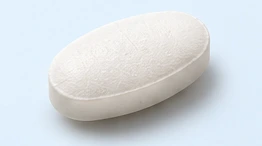
Thiamin helps cells turn food into usable energy and supports normal nerve function. Common supplements supply thiamin hydrochloride or mononitrate. [1]
See how this ingredient works with other supplements
Vitamin B1 (Thiamin) at a glance
A quick comparison before you explore the details below.
| Form | Common reasons to choose it | Key difference | Explore form |
|---|---|---|---|
| Vitamin B1 (Thiamin) Thiamin Hydrochloride | Energy metabolism; Nerves and heart. | A commonly used supplemental source; transport depends on dose. [1] | See Form Details ↓: Thiamin Hydrochloride |
| Vitamin B1 (Thiamin) Thiamin Mononitrate | Energy metabolism; Nerves and heart. | Another common stable source; no comparative ranking is assigned here. [1] | See Form Details ↓: Thiamin Mononitrate |
Explore each form
Thiamin Hydrochloride
Water-soluble thiamin salt. [1]
Illustrative rendering. Actual products may look different.
VitaminCommon Uses
Energy metabolism: Helps cells use energy from food.
Nerves and heart: Supports normal cellular function.
Low thiamin: Replaces shortfalls from poor intake or malabsorption.
Treating deficiency is well established. Severe deficiency or suspected Wernicke encephalopathy needs urgent medical care, often injections; oral supplements do not replace that care. [1]
Dosage and Label
OTC label strength*:50–100 mg thiamin.
No U.S. upper limit established. This does not mean unlimited intake is safe. [1]
† Upper limits are safety ceilings, not intake targets. Age and health conditions affect suitability. See additional info below: Thiamin Hydrochloride safety details.
Find Thiamin or Vitamin B1 on the Supplement Facts panel. Look for thiamin hydrochloride (HCl) and compare the B1 amount per serving.
Click below to see age-based dosages.
See Dosage Table: Thiamin HydrochlorideHow and Safety
Helps enzymes turn carbohydrates and other nutrients into usable energy, supporting nerve and cell function. [1]
Follow the label; regular dietary intake matters because body stores are small. [1]
Do not rely on an OTC tablet alone for suspected severe deficiency or new neurological symptoms. [1]
No upper limit is established. Long-term furosemide use and fluorouracil treatment can lower thiamin status. [1]
Trusted Sources
Simple tests to be certain of your individual needs.
Coming soon
Additional Ingredient Information: Common or Studied Dosage, Safety & Toxicity
Common Uses & Evidence
Energy metabolism: Helps cells use energy from carbohydrates and other nutrients; it is not a stimulant.
Nerve and heart function: Adequate thiamin supports normal nerve signaling and cellular function.
Deficiency replacement: Used when poor intake, malabsorption, alcohol-related illness or other circumstances cause low thiamin.
Clinical distinction: Severe deficiency or suspected Wernicke encephalopathy needs urgent medical treatment, often by injection. Routine oral supplements are not a substitute for that care.
Sources: NIH ODS
Expanded uses — evidence context: Restoring low thiamin supports the nerves and enzymes that rely on it. Energy metabolism is its normal nutritional role. Suspected Wernicke encephalopathy needs urgent medical treatment, not self-treatment with an oral supplement.
Thiamin intake: Supports nutrient adequacy. [1]
Common formulation does not establish extra energy benefits in a well-nourished person.
Scope: Evidence summary. Nutrient roles do not establish additional benefits from higher-dose supplementation.
Taking supplements together
References
Form Type
Water-soluble thiamin salt. [1]
Bioavailability & Absorption
A commonly used supplemental source; transport depends on dose. [1]
Common or Studied Dosage
General nutrient guidance; not a form-specific treatment dose or finding.
Daily nutritional requirement: 1.2 mg/day for men; 1.1 mg/day for women. [1]
Supplemental amount: Choose the amount needed to close a dietary gap or follow an assessed clinical purpose; the daily requirement includes food. [1]
Upper limit — not a suggested dose: No general UL established. See Safety and Toxicity below. [1]
Thiamin (B1) — Daily nutritional intake
Recommended amounts include food and supplements together. These are nutritional reference amounts; form-specific supplemental guidance is listed separately.
Pregnancy or breastfeeding: Consult your physician before taking any supplements.
| Life stage | Recommended daily amount |
|---|---|
| 0–6 months* | 0.2 mg |
| 7–12 months* | 0.3 mg |
| 1–3 years | 0.5 mg |
| 4–8 years | 0.6 mg |
| 9–13 years | 0.9 mg |
| 14–18 years — male | 1.2 mg |
| 14–18 years — female | 1 mg |
| 19–50 years — male | 1.2 mg |
| 19–50 years — female | 1.1 mg |
| 51+ years — male | 1.2 mg |
| 51+ years — female | 1.1 mg |
RDA = Recommended Dietary Allowance. * Infant values marked with an asterisk are Adequate Intakes (AI).
No established upper limit does not mean unlimited intake is safe. Consult a clinician about supplementation for infants, medical conditions or deficiency treatment.
Source: NIH Office of Dietary Supplements — Thiamin (B1). Upper-limit references checked November 1, 2026.
Absorption Factors
General nutrient guidance; not a form-specific treatment dose or finding.
Alcohol dependence can reduce absorption and storage while increasing deficiency risk. [1]
Interactions
Furosemide can increase thiamin loss in urine; fluorouracil treatment has also been linked to deficiency. Ask your treating team whether your thiamin status needs assessment. [1]
Safety & Toxicity
Upper limit: No UL has been established for thiamin because adverse-effect reports are limited. This is not a reason to take unlimited amounts. [1]
Notes
Product-specific claims and numerical ratings are not assigned.
Absorption Evidence & Sources
Editorial assessment: the evidence currently documented in this guide does not support a reliable high-to-low ordering of these displayed forms. Not ranked does not mean low absorption or identical absorption. Existing form-specific absorption information remains available below.
How and Safety — Details & Sources
Severe deficiency can need urgent medical treatment. The absence of an upper limit is not proof that unlimited supplemental intake is safe.
Sources for How and Safety
Common OTC strength — label references
Selected examples of marketed strengths; not dosing recommendations. Formulations and availability vary by country.
Further Form Considerations
Adult daily intake: Men: 1.2 mg/day; women: 1.1 mg/day (food + supplements).
Severe deficiency requires medical management.
Thiamin Mononitrate
Water-soluble thiamin salt. [1]
Illustrative rendering. Actual products may look different.
VitaminCommon Uses
Energy metabolism: Helps cells use energy from food.
Nerves and heart: Supports normal cellular function.
Low thiamin: Replaces shortfalls from poor intake or malabsorption.
Treating deficiency is well established. Severe deficiency or suspected Wernicke encephalopathy needs urgent medical care, often injections; oral supplements do not replace that care. [1]
Dosage and Label
OTC label strength*:100 mg thiamin in a verified label example.
No U.S. upper limit established. This does not mean unlimited intake is safe. [1]
† Upper limits are safety ceilings, not intake targets. Age and health conditions affect suitability. See additional info below: Thiamin Mononitrate safety details.
Find Thiamin or Vitamin B1 and look for thiamin mononitrate. If the label says B-complex, check which other vitamins come in the same serving.
Click below to see age-based dosages.
See Dosage Table: Thiamin MononitrateHow and Safety
Helps enzymes turn carbohydrates and other nutrients into usable energy, supporting nerve and cell function. [1]
Follow the label; regular dietary intake matters because body stores are small. [1]
Do not rely on an OTC tablet alone for suspected severe deficiency or new neurological symptoms. [1]
No upper limit is established. Long-term furosemide use and fluorouracil treatment can lower thiamin status. [1]
Trusted Sources
Simple tests to be certain of your individual needs.
Coming soon
Additional Ingredient Information: Common or Studied Dosage, Safety & Toxicity
Common Uses & Evidence
Energy metabolism: Helps cells use energy from carbohydrates and other nutrients; it is not a stimulant.
Nerve and heart function: Adequate thiamin supports normal nerve signaling and cellular function.
Deficiency replacement: Used when poor intake, malabsorption, alcohol-related illness or other circumstances cause low thiamin.
Clinical distinction: Severe deficiency or suspected Wernicke encephalopathy needs urgent medical treatment, often by injection. Routine oral supplements are not a substitute for that care.
Sources: NIH ODS
Expanded uses — evidence context: Restoring low thiamin supports the nerves and enzymes that rely on it. Energy metabolism is its normal nutritional role. Suspected Wernicke encephalopathy needs urgent medical treatment, not self-treatment with an oral supplement.
Thiamin intake: A supplemental or fortified-food source. [1]
A different salt name does not by itself establish clinical superiority.
Scope: Evidence summary. Nutrient roles do not establish additional benefits from higher-dose supplementation.
Taking supplements together
References
Form Type
Water-soluble thiamin salt. [1]
Bioavailability & Absorption
Another common stable source; no comparative ranking is assigned here. [1]
Common or Studied Dosage
General nutrient guidance; not a form-specific treatment dose or finding.
Daily nutritional requirement: 1.2 mg/day for men; 1.1 mg/day for women. [1]
Supplemental amount: Choose the amount needed to close a dietary gap or follow an assessed clinical purpose; the daily requirement includes food. [1]
Upper limit — not a suggested dose: No general UL established. See Safety and Toxicity below. [1]
Thiamin (B1) — Daily nutritional intake
Recommended amounts include food and supplements together. These are nutritional reference amounts; form-specific supplemental guidance is listed separately.
Pregnancy or breastfeeding: Consult your physician before taking any supplements.
| Life stage | Recommended daily amount |
|---|---|
| 0–6 months* | 0.2 mg |
| 7–12 months* | 0.3 mg |
| 1–3 years | 0.5 mg |
| 4–8 years | 0.6 mg |
| 9–13 years | 0.9 mg |
| 14–18 years — male | 1.2 mg |
| 14–18 years — female | 1 mg |
| 19–50 years — male | 1.2 mg |
| 19–50 years — female | 1.1 mg |
| 51+ years — male | 1.2 mg |
| 51+ years — female | 1.1 mg |
RDA = Recommended Dietary Allowance. * Infant values marked with an asterisk are Adequate Intakes (AI).
No established upper limit does not mean unlimited intake is safe. Consult a clinician about supplementation for infants, medical conditions or deficiency treatment.
Source: NIH Office of Dietary Supplements — Thiamin (B1). Upper-limit references checked November 1, 2026.
Absorption Factors
General nutrient guidance; not a form-specific treatment dose or finding.
Alcohol dependence can reduce absorption and storage while increasing deficiency risk. [1]
Interactions
Furosemide can increase thiamin loss in urine; fluorouracil treatment has also been linked to deficiency. Ask your treating team whether your thiamin status needs assessment. [1]
Safety & Toxicity
Upper limit: No UL has been established for thiamin because adverse-effect reports are limited. This is not a reason to take unlimited amounts. [1]
Notes
Product-specific claims and numerical ratings are not assigned.
Absorption Evidence & Sources
Editorial assessment: the evidence currently documented in this guide does not support a reliable high-to-low ordering of these displayed forms. Not ranked does not mean low absorption or identical absorption. Existing form-specific absorption information remains available below.
How and Safety — Details & Sources
Severe deficiency can need urgent medical treatment. The absence of an upper limit is not proof that unlimited supplemental intake is safe.
Sources for How and Safety
Common OTC strength — label references
Selected examples of marketed strengths; not dosing recommendations. Formulations and availability vary by country.
Label sources: 1
Further Form Considerations
Adult daily intake: Men: 1.2 mg/day; women: 1.1 mg/day (food + supplements).
Compare declared thiamin amount and suitability.
Vitamin B1 (Thiamin) — common questions
What is Vitamin B1 (Thiamin) commonly used for?
Thiamin Hydrochloride
Energy metabolism: Helps cells use energy from carbohydrates and other nutrients; it is not a stimulant.
Nerve and heart function: Adequate thiamin supports normal nerve signaling and cellular function.
Deficiency replacement: Used when poor intake, malabsorption, alcohol-related illness or other circumstances cause low thiamin.
Clinical distinction: Severe deficiency or suspected Wernicke encephalopathy needs urgent medical treatment, often by injection. Routine oral supplements are not a substitute for that care.
Sources: NIH ODS
What does the research say about Vitamin B1 (Thiamin)?
Thiamin Hydrochloride
Treating deficiency is well established. Severe deficiency or suspected Wernicke encephalopathy needs urgent medical care, often injections; oral supplements do not replace that care. [1]
How well is Vitamin B1 (Thiamin) absorbed?
Thiamin Hydrochloride
A commonly used supplemental source; transport depends on dose. [1]
Thiamin Mononitrate
Another common stable source; no comparative ranking is assigned here. [1]
What should I look for on the label for Vitamin B1 (Thiamin)?
Thiamin Hydrochloride
Find Thiamin or Vitamin B1 on the Supplement Facts panel. Look for thiamin hydrochloride (HCl) and compare the B1 amount per serving.
Thiamin Mononitrate
Find Thiamin or Vitamin B1 and look for thiamin mononitrate. If the label says B-complex, check which other vitamins come in the same serving.
Which medicines or supplements can interact with Vitamin B1 (Thiamin)?
Thiamin Hydrochloride
Furosemide can increase thiamin loss in urine; fluorouracil treatment has also been linked to deficiency. Ask your treating team whether your thiamin status needs assessment. [1]
What should I know about combining Vitamin B1 (Thiamin) with other supplements?
About Vitamin B1 (Thiamin): intake, safety and evidence
Common Forms
Thiamin hydrochloride and thiamin mononitrate supply vitamin B1. [1]
Bioavailable Form
Common salts are water soluble. No numerical superiority score is assigned. [1]
Common Uses
Thiamin helps cells turn food into usable energy and supports normal nerve function. Common supplements supply thiamin hydrochloride or mononitrate. [2]
Supplemental Dosage
Daily nutritional requirement: 1.2 mg/day for men; 1.1 mg/day for women. [1]
Supplemental amount: Choose the amount needed to close a dietary gap or follow an assessed clinical purpose; the daily requirement includes food. [1]
Upper limit — not a suggested dose: No general UL established. See Safety and Toxicity below. [1]
RDA / Adequate Intake
Adult reference intake: 1.2 mg/day for men; 1.1 mg/day for women. Pregnancy, breastfeeding and younger ages have separate values. [1]
Deficiency Symptoms
Deficiency can cause beriberi and neurological problems. Suspected Wernicke encephalopathy requires urgent medical treatment. [1]
Upper Limit and Toxicity
Adult upper limit: No general UL established. The absence of a UL does not establish that every high-dose regimen is appropriate. [1]
Absorption Enhancers and Inhibitors
Alcohol dependence can reduce absorption and storage while increasing deficiency risk. [1]
Drug and Nutrient Interactions
Furosemide can increase urinary thiamin loss; some cancer treatments also affect thiamin metabolism. [1]
Ingredient Notes:
An absent established upper limit is not evidence that arbitrarily large doses provide benefit.
Special Populations
Alcohol dependence, older age, bariatric surgery and some illnesses increase low-status risk. [1]
Contraindications
Severe neurological symptoms or malnutrition require clinical treatment; an ordinary oral supplement may be inadequate. [1]
Chemical Forms
Thiamin hydrochloride, thiamin mononitrate; benfotiamine is a distinct derivative. [1]